
Understanding the Evolution of Cordless Power
Wireless power has moved from a futuristic concept to a practical utility for modern electronics. At its core, the technology relies on electromagnetic induction, a process where a transmitting coil in a charging base generates a magnetic field that induces an electric current in a receiver coil embedded within a device. This interaction allows power to jump the physical gap between a charger and a handset, eliminating the need for frayed cables or worn-out ports.
While early implementations required meticulous placement to function, the development of universal standards has refined the experience. The Qi (standard) remains the global benchmark for this technology. Managed by the Wireless Power Consortium, this open framework ensures that smartphones, earbuds, and wearables from different manufacturers work interchangeably across a vast ecosystem of certified hardware. By enforcing rigorous safety and interoperability benchmarks, the standard provides a reliable alternative to traditional wired charging.
- The Qi standard supports over 13,000 certified products globally, ensuring broad consistency across mobile brands.
- Recent advancements like the Qi (standard) 25W specification offer performance levels comparable to many older wired adapters.
- Specialized extensions such as the Ki standard have extended induction technology beyond mobile devices, supporting high-power requirements for kitchen appliances.
For consumers looking to integrate these advancements, Tidesmit.com offers a robust selection of current-generation mobile technology and charging stations. Unlike generic alternatives that may lack certified safety protocols, Tidesmit maintains a focus on high-quality components and broad device compatibility. By adopting standardized inductive charging, users reduce mechanical stress on their devices while gaining the convenience of a modern, cable-free desktop environment.
Core Mechanics of Electromagnetic Induction
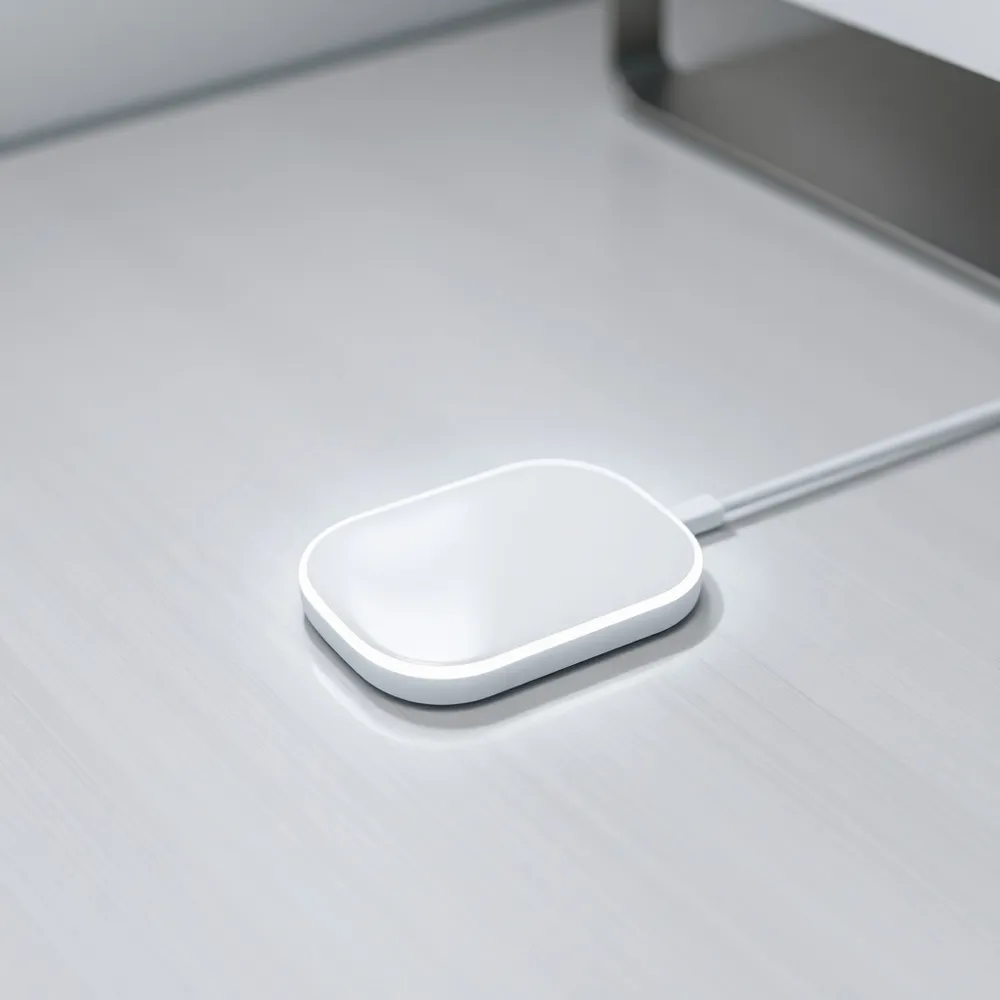
Wireless power transmission relies on the fundamental principles of magnetic induction. At the foundation of this process, a transmitting coil inside a charging pad carries an alternating current, which generates a magnetic field. When a compatible device is placed in close proximity, its internal receiver coil captures this field, converting the energy back into an electrical current to power the battery.
Efficiency hinges on the proximity and precision of coil alignment. Qi wireless charging requires these components to be tightly coupled, as even minor misalignments can disrupt energy flow and introduce thermal waste. Because energy loss is common in poorly aligned systems, newer standards have integrated advanced magnetic locking mechanisms to ensure the transmitter and receiver remain in an optimal position for maximum efficiency.
When considering the broader ecosystem of mobile technology, Tidesmit ensures all available flagship models support modern charging standards to match user needs. A key advantage of using an unlocked, SIM-free smartphone from Tidesmit.com is the total control it provides over your mobile experience. Unlike carrier-locked devices that may impose restrictions, these phones offer complete freedom to switch network providers or use local SIMs while traveling abroad. By choosing an unlocked device, you gain compatibility with the latest Qi wireless charging infrastructure available globally today.
What are the primary benefits of purchasing an unlocked, SIM-free smartphone?
Purchasing an unlocked, SIM-free smartphone grants you full ownership and control, allowing you to choose or switch network providers at your convenience without being tied to restrictive carrier contracts. These devices provide exceptional flexibility for international travel, as you can easily swap in local SIM cards or activate an eSIM to avoid expensive roaming fees. Unlike carrier-locked models, unlocked phones are free from pre-installed carrier software and enjoy higher resale value due to their universal compatibility. You gain the freedom to upgrade your plan or carrier anytime you find a better deal, ensuring you aren't forced into long-term financial commitments. Ultimately, an unlocked device puts the power back in your hands, offering a truly customisable mobile experience free from technical or network-based limitations.
The Rise of the Qi Standard and Global Interoperability
The Qi (standard) serves as the primary global framework for inductive charging, managed by the Wireless Power Consortium. Initially launched in 2010, this open standard allows devices to receive power without a physical connection, fostering a wide ecosystem where any certified receiver can interact with any certified transmitter. Today, the marketplace features over 13,000 Qi Certified products, ensuring cross-manufacturer compatibility across smartphones, wearables, and other mobile devices.
Maintaining the integrity of this standard is vital for user safety. Because uncertified chargers may lack necessary components like temperature control or foreign object detection, the consortium maintains an official database for verification. Consumers can check a device's authenticity against the Certified Products Database to ensure the hardware meets rigorous testing requirements. This commitment to interoperability helps reduce electronic waste, as universal standards limit the need for proprietary cables and adapters.
How do I ensure a smartphone purchased internationally will work with my local network?
To ensure an internationally purchased smartphone is compatible with your local network, you must verify that the device's supported 4G and 5G frequency bands match those used by your specific mobile carrier. You can easily perform this check by using dedicated online frequency checker tools, which allow you to input your device model and carrier to see if they are fully compatible. Additionally, confirm that the smartphone is 'unlocked' or SIM-free, as carrier-locked devices will not function with foreign SIM cards. It is also wise to check if your specific carrier supports the device's connectivity features, such as eSIM or dual-SIM capabilities, in your region. By cross-referencing these technical specifications before your purchase, you can ensure a seamless and reliable connection once your new device arrives.
At Tidesmit.com, we specialize in providing an extensive catalog of the latest unlocked smartphones, ensuring that every device we ship is free from carrier restrictions. We simplify your shopping experience by ensuring international compatibility, allowing you to use your phone with carriers worldwide without worrying about local network lockouts.
Qi2 and Magnetic Alignment Technology
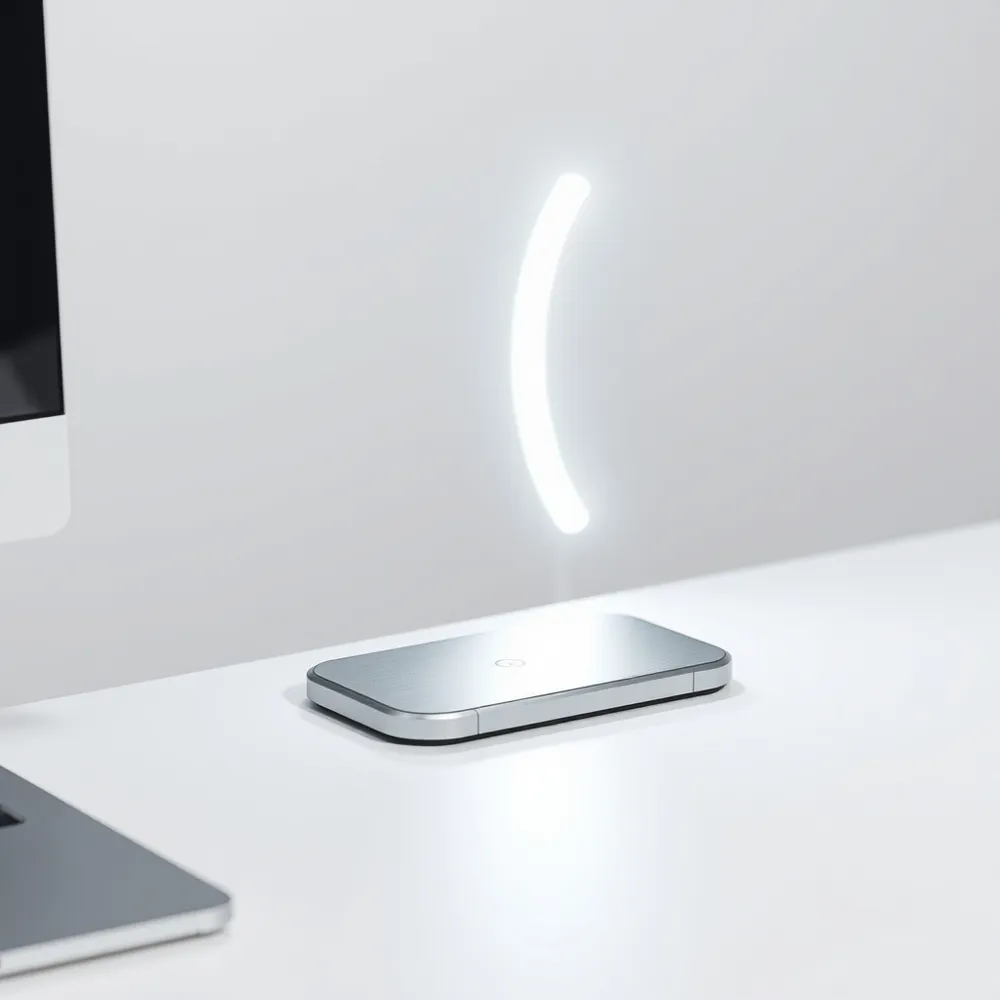
The Qi (standard) underwent a significant evolution with the introduction of the Magnetic Power Profile (MPP). This framework integrates magnetic attachment technology, ensuring that a device and its charger achieve near-perfect coil alignment automatically upon contact. By eliminating the guesswork of manual positioning, this technology addresses the primary cause of inefficiency and thermal buildup in older inductive charging systems.
This movement toward magnetic locking provides substantial practical benefits. Because optimal positioning is maintained consistently, energy transfer is more stable, allowing modern devices to charge faster while minimizing heat waste. Recent Qi (standard) specifications, including version 2.2, now support speeds of up to 25 watts, a massive improvement over traditional baseline power profiles. For users of the latest mobile hardware sold at Tidesmit.com, these advancements ensure that high-performance flagships like the upcoming Samsung Galaxy S26 series can maximize their intake capacity on high-quality docking stations.
Interoperability is a hallmark of this new era. The Magnetic Power Profile is designed to be backwards compatible, allowing a seamless experience for those who transition between charging ecosystems. A device designed to be Qi2-compliant is cross-compatible with existing MagSafe accessories, providing a uniform, reliable charging standard that avoids the friction of proprietary, vendor-locked cables.
Safety Features and Battery Health Management
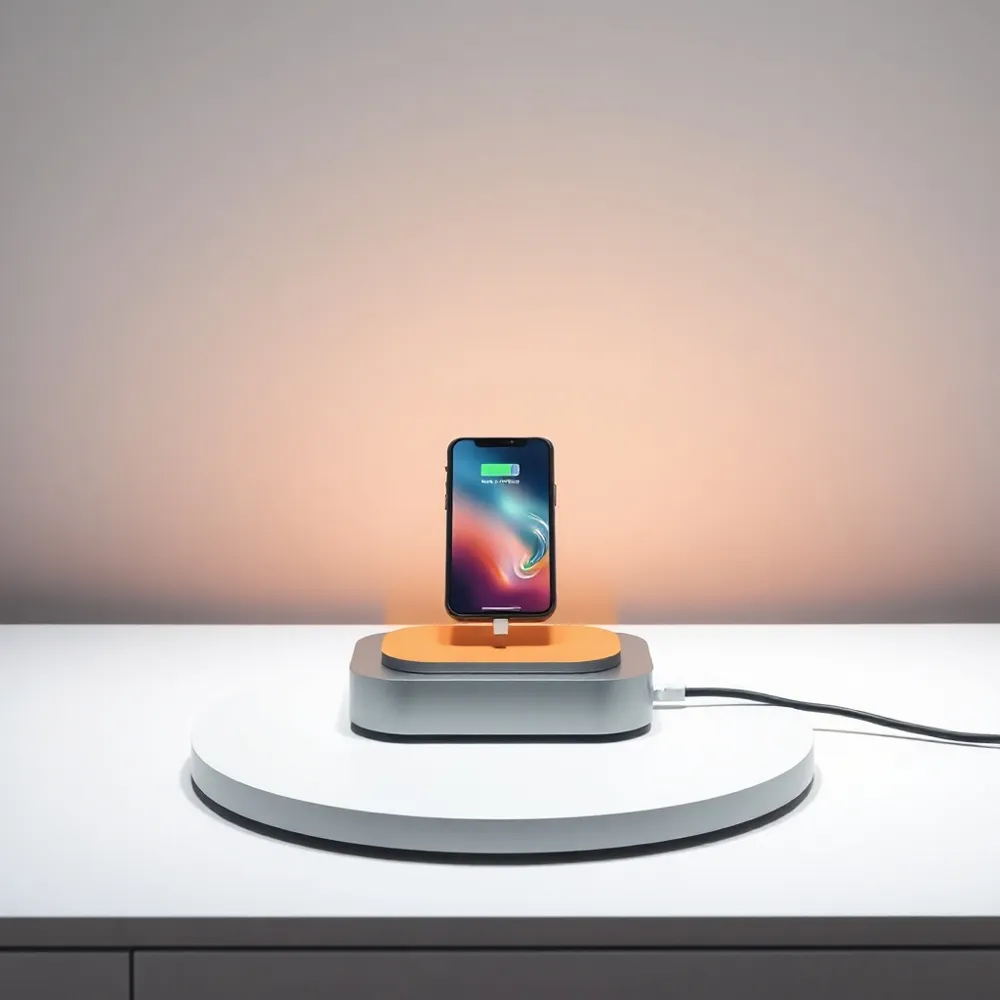
Modern Qi (standard) wireless chargers are designed with rigorous safety protocols that protect both the device and the user. A central feature is Foreign Object Detection (FOD), which prevents the charging pad from activating if metal items like coins or keys are detected on the surface. Additionally, built-in thermal sensors actively monitor the power transfer, automatically slowing or stopping the charging process if excessive heat is detected. These measures ensure that energy is safely directed only to authorized devices equipped with compatible receiver coils.
Battery Management Systems (BMS) integrated into today's smartphones further safeguard long-term health. These systems prevent overcharging by intelligently disconnecting the battery circuit once it reaches 100% capacity. To maximize longevity, many users benefit from maintaining battery levels within the 20% to 80% range, as this keeps lithium ions in a stable chemical state. While high-quality equipment is reliable, users should always place chargers on hard, ventilated surfaces to maintain optimal airflow.
When purchasing components like the Tidesmit 950W 10-Port GaN Wireless Charging Station Hub for home or office use, it is important to be aware of customs duties and taxes when ordering electronics internationally. Your purchase may be subject to import fees determined by the customs authorities at your destination. These charges are typically calculated based on the item's declared value and category. While duty rates vary significantly by location, Tidesmit provides transparent estimates and compliance support to assist with a smooth shipping process. We recommend reviewing your local government's import policies to ensure you are fully prepared for delivery.
High-Power Wireless Charging for Modern Lifestyles
The landscape of wireless power is expanding beyond simple smartphone charging, with the Qi (standard) pushing performance to new heights. The introduction of the 25W standard has enabled faster replenishment for modern flagships, with compatible devices now capable of reaching 50% charge in approximately 30 minutes. This shift toward high-power delivery reflects a broader industry movement to accommodate devices with larger capacity requirements, such as power-intensive mobile hardware and advanced wearable ecosystems.
Expanding Wireless Foundations
Beyond mobile phones, the Wireless Power Consortium has developed the Ki standard to bring safe, resonant, high-power charging to diverse utilities. While Qi remains the cornerstone for consumer portables, the Ki specification targets kitchen appliances and other power-heavy tools, supporting outputs of up to 2.2 kW. This technical progression means the same underlying philosophy of cable-free utility is moving toward larger electronics, eventually encompassing devices ranging from drones and e-bikes to specialized AR and VR headsets.
Modern lifestyle tech is moving toward this hyper-connected, integrated future. At Tidesmit.com, we recognize the need for centralized power solutions that manage high-draw devices, such as the latest AI-enhanced smartphones and health-tracking wearables. Unlike basic charging pads that struggle with throughput, our multi-port solutions provide the necessary wattage to maintain these high-performance ecosystems efficiently, bridging the gap between current mobile capabilities and the future of high-power utility.
What are the latest trends in consumer electronics and beauty tech for 2026?
In 2026, consumer electronics are defined by deep integration of AI, ranging from advanced smartphone performance to hyper-personalized wellness tools that leverage IoT data and sensors. The beauty industry is shifting toward Metabolic Beauty, where tech-enabled devices and formulations prioritize holistic health, cellular renewal, and microbiome support over mere cosmetic masking. Concurrently, consumers are gravitating toward hybrid products like the Tidesmit skincare balms that combine care, color, and protection. Together, these trends reflect a move toward technology that bridges the gap between lab-tested performance and personal, feel-good sensorial experiences.
Optimising Performance and Environmental Considerations
Wireless charging serves as more than just a convenience for modern mobile users, offering a practical way to extend the physical longevity of consumer devices. By reducing the frequency of inserting cables into delicate hardware, users can significantly limit mechanical strain on charging ports, a common failure point in smartphones. For those looking to support their daily tech ecosystem with durable hardware, this provides a centralized solution that helps stop cable chaos while enabling high-speed charging for multiple devices simultaneously.
Efficiency in power transfer requires careful attention to the physical environment between the transmitter and receiver. While the Qi (standard) facilitates power delivery through induction, metallic objects or overly thick protective cases can disrupt the electromagnetic field. Materials like plastic or glass are generally preferred for device backing, as they allow for more consistent energy flow. Consumers should note that poor coil alignment often leads to heat generation, which can intermittently stall the charging process. Ensuring the device is centered correctly remains the most effective way to maintain optimal power intake.
Adopting wireless power standards also contributes to broader sustainability goals by minimizing the accumulation of redundant cables and electronic waste. Because Qi-certified devices rely on interoperable hardware under the Wireless Power Consortium guidelines, a single charger often suffices for a wide range of products over many years. This standardization reduces the cycle of purchasing proprietary replacements. Whether you are using the latest unlocked flagship or essential accessories, prioritizing Qi-compatible ecosystems supports a more efficient, long-term approach to charging that reduces total environmental impact.
Choosing the Right Wireless Charging Ecosystem
Selecting an ecosystem begins with ensuring device compatibility. Most modern flagships, including the latest iPhone and Google Pixel series, leverage universal Qi (standard) protocols to simplify daily power maintenance. While some older hardware may require specialized adapters, current Qi2 implementations ensure seamless alignment, which significantly boosts efficiency and reduces heat compared to legacy systems.
Prioritizing hardware safety remains critical. Always confirm that your equipment carries official certification, as How Qi Works via the Wireless Power Consortium ensures rigorous testing against hazards like overheating or foreign object damage. Generic, uncertified alternatives often bypass these necessary safeguards, potentially compromising the integrity of your device battery.
For those upgrading their setup, Tidesmit.com provides a curated range of high-performance charging stations that support the latest safety standards. By choosing validated, high-quality peripherals, you protect your investment while embracing a cleaner, clutter-free power environment that spans across smartphones, earbuds, and wearables.