
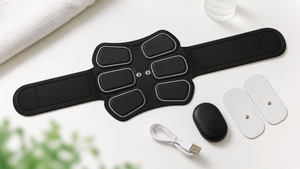

A belt that electrically stimulates your abdominal muscles sounds like a shortcut to a stronger core. The Tidesmit EMS Abdominal Toning Belt is one of many devices that use low-voltage current to provoke muscle contractions. But the science behind these belts is more nuanced than marketing often implies. And the little lead wire that connects the control unit to the electrode pads? It’s easy to overlook, yet it carries the entire therapy—literally.
What follows is a look at what the research actually says about muscle toning, fat loss, and safety, plus the practical role of a compatible lead wire.
How Ab Belts Work
An ab belt uses Electrical Muscle Stimulation (EMS) technology. A control unit sends a low-voltage electrical current through a lead wire to electrode pads placed on the skin. The current causes the underlying abdominal muscles to contract, mimicking the way the brain triggers muscle movement during exercise. The contractions are involuntary, but the idea is to work the muscles without traditional movement.
It’s important to distinguish EMS from TENS (transcutaneous electrical nerve stimulation). TENS is primarily used for pain relief, targeting nerves to block pain signals. EMS, by contrast, aims to stimulate muscle fibers to improve strength and endurance. Ab belts are EMS devices, not TENS units, even though they may share similar electrode and lead wire designs.
A typical setup includes the belt, a rechargeable controller, gel pads, and a lead wire that clips from the controller to the pads. Without a secure, compatible connection, the electrical pulses won’t reach the skin—or they may arrive inconsistently. That’s why the lead wire, though small, is a functional linchpin.
What the Research Says About Muscle Toning
Evidence suggests EMS can contribute to muscle strength and endurance gains, but the magnitude varies. According to a review by powerliftingbelts.org, a 2005 study of 24 adults using an ab toning belt for 8 weeks (5 sessions per week) reported an average waist circumference reduction of 1.3 inches. That number is often cited to support toning claims, but it’s not a measure of fat loss. The reduction likely stems from improved muscle tone and possibly postural changes.
The review also references a systematic overview of more than 80 EMS studies that found positive effects on muscle strength and endurance. A separate study of soccer players using quadriceps EMS for 5 weeks showed strength gains, reinforcing the broader principle that electrical stimulation can build muscle when applied consistently. For postpartum recovery, a study on diastasis recti abdominis (DRAM) noted that women who used an ab stimulator plus exercise showed greater improvement than those who exercised alone.
None of these findings guarantee a sculpted midsection. Results depend on frequency, intensity, and individual physiology. The 2005 trial’s participants were already following a healthy lifestyle, and the waist reduction was modest. The tone improvement is real for some, but it’s not a substitute for core workouts or overall strength training. The device works best as a supplement, not a standalone solution.
Ab Belts and Fat Loss: Separating Fact from Fiction
An ab belt cannot spot-reduce belly fat. The notion that you can target fat loss from a specific area by stimulating the muscles underneath is a persistent myth. Fat loss occurs systemically, driven by a calorie deficit—burning more energy than you consume. Contracting your abs repeatedly with an electric current doesn’t burn enough calories to create that deficit, and it doesn’t directly mobilize fat from the waistline.
The 1.3-inch waist reduction from the 2005 study is often misinterpreted as fat loss. But as the powerliftingbelts.org analysis points out, the change is better attributed to muscle toning and perhaps a slight tightening of the abdominal wall. The participants’ body fat percentage may not have changed at all. The waist measurement shrank because the muscles became firmer, not because the fat layer above them disappeared.
If you’re adding an ab belt to a routine that already includes a calorie-controlled diet and regular exercise, you might notice quicker improvements in muscle definition. But the belt itself isn’t the fat-burning engine. Think of it as a tool for muscle engagement, not a dietary shortcut. The scale won’t move just because you’re zapping your abs.
Safety and Risks of Ab Stimulators
EMS devices can be reasonably safe for healthy adults, but they’re not without risk. Poorly manufactured or counterfeit belts may deliver inconsistent current, leading to skin irritation, burns, or mild shocks. The electrical impulses can also interfere with implanted medical devices like pacemakers or defibrillators—a serious concern that requires a doctor’s clearance before any use.
Some ab belts have received FDA clearance as class II medical devices, indicating they meet certain safety standards. However, many consumer-grade belts sold online are not FDA-approved and lack rigorous testing. This doesn’t mean they’re inherently dangerous, but it does mean you’re relying on the manufacturer’s quality control. Choosing a unit from a reputable brand with clear safety certifications can reduce the risk of adverse effects.
If you have high blood pressure, a heart condition, or are pregnant, consult a healthcare professional before using an ab stimulator. The muscle contractions, while mild, can temporarily raise blood pressure and affect circulation. The same caution applies to anyone with a history of seizures or skin sensitivities. A quick conversation with your doctor can help you avoid unnecessary discomfort.
Practical Use and Lead Wire Compatibility
Lead wires are the unsung enablers of EMS therapy. They carry the electrical pulses from the control unit to the electrode pads, and a break in that connection means no stimulation. Over time, lead wires can fray, lose conductivity, or develop intermittent faults. Having a spare on hand can prevent a gap in your routine—especially if you rely on the belt for muscle maintenance or rehabilitation.
Compatibility is critical. Lead wires come in different lengths, connector types, and pin configurations. A standard 45-inch lead wire is common for many TENS, IF, and EMS units, as seen in products like those from Pro Therapy Supplies, which lists a 45-inch wire sold in packs of two. But not all ab belts use the same connector. The ScripHessco catalog shows the variety: banana plugs, pin connectors, alligator clips, and more. Using an incompatible wire can result in poor contact, erratic pulses, or even damage to the device.
Tidesmit EMS Abdominal Toning Belt TENS Lead Wire
A replacement lead wire designed for the Tidesmit EMS Abdominal Toning Belt. Because the belt’s electrode pads and control unit have specific connectors, it’s essential to use a wire that matches the terminal type and spacing. The Tidesmit EMS Abdominal Toning Belt TENS Lead Wire product page provides exact compatibility and length details. For many users, ordering the designated replacement eliminates guesswork and ensures the electrical signal reaches the pads as intended.
Frequently Asked Questions
What do studies say about ab belts and muscle toning?
Studies suggest EMS can improve muscle strength and endurance. A 2005 trial found a 1.3-inch waist reduction after 8 weeks of consistent use, likely due to muscle toning rather than fat loss. Results vary and require regular sessions combined with a healthy lifestyle.
Can ab belts help with weight loss?
No, ab belts are not effective for fat loss. Spot reduction is not supported by evidence. Fat loss requires a calorie deficit through diet and overall physical activity. The belt may improve muscle tone, but it won’t burn belly fat on its own.
Are ab belts safe to use?
FDA-approved devices are generally safe for healthy adults, but consult a doctor if you have a pacemaker, high blood pressure, or are pregnant. Choosing well-regulated products minimizes risks of skin irritation or shocks. Avoid use if you have an implanted medical device without clearance.
