
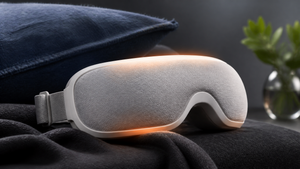

After eye surgery, rest and gentle care are often the top priorities. The Tidesmit 42°C Heated Eye Massager Post-Surgery Recovery Pillow is designed to provide a steady, hands-free warmth that may feel soothing during recovery. However, it’s not a medical device, and no clinical evidence demonstrates that heated eye massagers improve surgical outcomes.
Some people use heated eye masks for dry eye or digital strain relief, as noted by body massager.org and highendreports.com. But post-surgery needs are different, and any decision to use the Tidesmit should be made with your surgeon’s guidance.
Is the Tidesmit 42°C Heated Eye Massager Right for Post-Surgery Recovery?
The Tidesmit is a pillow-shaped heated eye massager that focuses on one temperature: 42°C. Its form factor is meant for lying down, and the warmth is consistent, not adjustable. The manufacturer positions it for post-surgery recovery, but that’s not a claim of efficacy—it’s a suggestion of comfort. Without hands-on testing or published specifications beyond the temperature, there’s no way to confirm how it performs in practice. For someone who wants a simple, passive heat source and has a doctor’s okay, it could be a reasonable option. But it’s not a substitute for medical care, and using it immediately after surgery without approval could be risky.
What to Look for in a Post-Surgery Eye Massager
When considering any heated eye massager for recovery, gentle, consistent heat is essential. Many therapeutic models, like the RENPHO Eye Massager with Heat and the Bob and Brad Eye Massager with Heat, operate between 104°F and 107°F (40–42°C). The Tidesmit’s 42°C setting falls within that same range, which is typically comfortable for warm compress therapy. A pillow-style design can be easier to use while resting, as it doesn’t need to be held or strapped on tightly. Adjustable timers, an auto shut-off feature, and a soft, non-irritating surface are all desirable, though the Tidesmit’s specific features aren’t listed in available sources. Above all, anyone recovering from eye surgery should clear the use of a heated device with their surgeon, as healing tissues can be more sensitive to heat and pressure.
Tidesmit 42°C Heated Eye Massager: Design and Features
The Tidesmit 42°C Heated Eye Massager Post-Surgery Recovery Pillow is built around a single, simple idea: a warm, cushioned surface that rests over the eyes. The advertised 42°C heat is the main feature, and the product name suggests it’s intended for post-surgery recovery. The pillow form factor means you can lie back and let it sit in place without adjusting straps or holding a mask—a hands-free approach that may be especially helpful when you’re trying to stay still. There’s no mention of massage modes, vibration, or air pressure in the limited information available. No battery life, materials, or safety certifications are confirmed. It’s a minimalist device, and that simplicity could be a strength for someone who just wants steady warmth without extra stimulation. But without detailed specs, any comparison to feature-rich models is speculative.
Because the Tidesmit is designed for recovery, the manufacturer likely prioritizes comfort over technical complexity. Still, the lack of published details means you’re relying on the product as described. If you decide to try it, start with short sessions and monitor how your eyes feel.
Other Heated Eye Massagers to Consider
If the Tidesmit’s simplicity doesn’t meet your needs, other models offer a wider range of temperatures, massage modes, and quick heating. Here’s how three popular options compare, based on available specs and source-reported strengths.
| Product | Best For | Source-Reported Strength | Caveat |
|---|---|---|---|
| Mynt Heated Eye Massager | Higher heat and temple massage | Temperature range of 109.4–116.6°F; temple massage praised as thumb-like pressure | Higher temperature may not be suitable for post-surgery use |
| RENPHO Eye Massager with Heat | Standard therapeutic heat | Operates at 104–107°F (40–42°C); recognized for heat consistency | No additional features beyond heat noted in sources |
| NOWWISH Heated Eye Massager | Fast heating and cordless use | Rapid 10-second heating; 1800mAh battery for up to 6 cycles | Fewer acupressure point targets than premium models |
Mynt: Higher Heat and Temple Massage
For those who want a higher temperature range and targeted temple pressure, the Mynt Heated Eye Massager stands out. Its temperature range of 109.4–116.6°F is noticeably warmer than the 40–42°C common in many devices. Reviewers have noted that the temple massage function squeezes the temple region like a thumb, which can feel especially relieving during a tension headache. The unit is also light at 0.68 lbs, making it comfortable to wear. However, that extra heat may not be safe for eyes that are still healing after surgery. If you’re in recovery, the Mynt’s higher temperatures could be too intense, and you’d be better off with a gentler option.
RENPHO Eye Massager with Heat: Standard Therapeutic Heat
A well-known model offering the common 40–42°C heat range, the RENPHO Eye Massager with Heat delivers a steady 104–107°F. The brand is frequently mentioned in eye massager roundups, and the heat consistency is often cited as a plus. It doesn’t include the massaging bells and whistles of some competitors, but that simplicity may appeal to someone who just wants warmth. The RENPHO’s heat level is comparable to the Tidesmit’s 42°C, though the RENPHO is a mask-style device rather than a pillow. Without additional specs from the source, it’s hard to say how it compares in terms of comfort or fit, but it’s a reliable option in the same temperature range.
NOWWISH: Fast Heating and Cordless Convenience
For those who value quick heat-up and cordless use, the NOWWISH Heated Eye Massager delivers. It reaches its target temperature in just 10 seconds, faster than many competitors. The built-in 1800mAh battery can power up to six sessions, making it convenient for travel or bedside use. However, it has fewer acupressure point targets than premium models, so the massage sensation may feel less comprehensive. While fast heating is handy, it’s not particularly important for post-surgery recovery, where a slow, steady warmth is usually preferred. If you’re not in a hurry and just want a gentle heat, the Tidesmit’s slower approach might be more appropriate.
Who Should Consider the Tidesmit?
The Tidesmit is likely a good fit for someone who is recovering from eye surgery and wants a simple, hands-free heat source that doesn’t require adjusting straps or choosing settings. The pillow design is made for lying down, so it’s comfortable during rest. If you’re not interested in vibration, air pressure, or multiple heat levels, the Tidesmit’s focus on a single 42°C warmth may be exactly what you need. Still, because healing eyes are more fragile, the most important step is to ask your surgeon if using a heated pillow is safe for your specific procedure. Even gentle heat can be too much for some conditions.
Frequently Asked Questions About Heated Eye Massagers
Can heated eye massagers help with post-surgery recovery?
Heat may offer comfort, but no clinical evidence shows that eye massagers improve surgical recovery. Always follow your surgeon’s specific instructions. Many devices provide warmth, but that doesn’t translate to proven healing benefits.
What temperature is safe for eye massagers?
Many models operate at 40–42°C, like the RENPHO and Bob and Brad devices. The Tidesmit’s 42°C falls within this range, which is generally comfortable for most people. Sensitivity varies, so stop if it feels too warm.
How long should you use a heated eye massager?
Typical sessions last 10–15 minutes, a recommendation from many manufacturers. Using it longer may cause irritation, especially on sensitive post-surgery eyes. Discontinue use if you feel any discomfort.
Are heated eye massagers safe for all eye conditions?
Do not use a heated eye massager on active infections, open wounds, or right after surgery without your doctor’s approval. Conditions like glaucoma may require extra caution. Always consult a healthcare provider first.
