
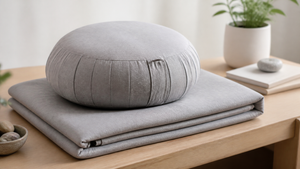

Seated meditation asks the body to be still for extended periods—often on a floor—and that can turn a practice meant for stillness into a battle with aching hips, numb legs, or a rounded spine. A meditation cushion is designed to address that friction: it lifts the pelvis, supports the natural curves of the back, and cushions the points of contact with the ground. The right support can mean the difference between spending half your session adjusting and staying present with the breath.
Across traditions, from Zen to Vipassana, practitioners have used cushions to create a stable base. Materials vary—buckwheat hulls, kapok fiber, cotton batting, and foam all appear—and each shapes the feeling of the seat. Some cushions are firm and moldable, others softer and more conforming. The goal isn’t to fix a medical condition but to reduce the bodily distractions that pull attention away from meditation. If you’ve ever felt that familiar ache creep in after ten minutes, the following breakdown of cushion types might help you understand why, and what to consider next.
What Are Meditation Cushions and Why Do They Matter?
A meditation cushion is a supportive seat that elevates the hips above the knees, helping the pelvis tilt forward slightly. This tilt encourages the spine to settle into a more neutral alignment, which can reduce the muscular effort needed to stay upright. Most cushions are made with natural or synthetic fillings encased in a fabric cover, and they come in several shapes, each suited to different body types and sitting styles.
The point isn’t perfect posture in a rigid sense—it’s a quiet, stable body that lets you forget about the body. A cushion that’s too low or too soft can allow the lower back to slump, leading to tension across the shoulders and neck. Conversely, a very firm, tall cushion might feel perched and unstable. The variations exist because one person’s hip flexibility and leg length rarely match another’s. A well-chosen cushion can help you sit for longer without constant readjusting, but it won’t transform a body that’s dealing with injury or chronic pain—those are conversations for a healthcare professional.
The Main Types of Meditation Cushions
Different cushion shapes and fillings cater to varying body types, cross-legged flexibility, and meditation styles. Some prioritize a grounded, rooted feel; others are designed to take pressure off the knees or ankles. The right choice helps maintain a stable, comfortable posture without prescribing a one-size-fits-all solution. Here’s how the primary types compare.
Round Zafu: The Traditional Buckwheat Cushion
The round zafu is the classic meditation seat, often filled with buckwheat hulls that shift and mold to your shape. That firm, adjustable support is why many people find it easier to hold a steady cross-legged position. The Waterglider Buckwheat Filled Round Meditation Pillow, for example, is built to support sessions of 30 minutes or more, though its initial firmness can feel intense until the hulls settle and break in. A notable feature of many buckwheat zafus is the ability to unzip the cover and add or remove hulls to fine-tune the height—a small adjustment that can make a big difference for hip or knee comfort. Over time, the hulls compress slightly, but the cushion retains its structure better than many foam alternatives. If you’ve ever sat on a folded blanket and felt your legs go numb, this moldable firmness explains why the traditional design persists.
Crescent Cushion: Hip-Opening Support
A crescent-shaped cushion tilts the pelvis forward and opens the hips, which can bring the feet closer to the body and reduce inner thigh strain. That’s a tangible benefit for anyone who feels a pinching sensation when sitting cross-legged on a flat surface. The Crescent Wedge Meditation Cushion represents this category, and while many users report easier leg positioning, the fabric has a tendency to attract lint—a minor but real annoyance. Compared to a round zafu, the crescent shape may feel more forgiving for those with tight hip flexors, but it doesn’t distribute weight in quite the same way. Some practitioners find the slanted wedge design reduces the work their back muscles have to do, though that experience varies from person to person. If you’ve struggled to keep your knees from hovering, the crescent shape is worth a closer look.
Zabuton: The Cushioned Mat
A zabuton is a flat, padded mat usually made of 100% cotton, placed beneath a zafu or bench to buffer the contact between your body and a hard floor. It protects knees, ankles, and feet from pressing directly into tile or wood, which can make a significant difference during longer sits. The Regular Zabuton from Still Sitting is a standard example—a simple, cushioned rectangle that adds a layer of softness without lifting you higher. For those who need more protection, a thicker zabuton like the Folding Zabuton (priced at $118.00) offers extra padding, though it comes at a higher cost. Used alone, a zabuton won’t tilt your pelvis or support your spine; it’s a foundation piece. If you meditate on a hard surface and find your ankles ache after a few minutes, a zabuton is often the missing piece.
Meditation Bench: Kneeling Comfort
A meditation bench allows you to kneel with the seat taking the weight off your legs, relieving strain on knees and ankles. The IKUKO Original Meditation Bench is a compact option: 17 inches wide, 3.65 pounds, and available in three heights—Low (under 5’4”), Standard (5’4” to 6’), and High (over 6’). This height range means the bench can be matched to your body, reducing the risk of slumping or over-arching the back. Many people who find cross-legged sitting uncomfortable, whether due to tight hips or past injuries, find the bench a workable alternative. It’s not quite the same as sitting on the floor—the posture is more upright, and the legs are tucked underneath—but for some, that’s the only way to sit for 20 minutes without numbness. The bench’s portability and simplicity make it a common sight in meditation halls.
Bolster: Versatile Support
A bolster is a cylindrical cushion that can support the back, legs, or even be used in reclining meditation. Unlike zafus or benches, it’s not primarily a seat; it’s often placed under the knees when lying down or behind the back for a supported seated pose. The Sweet Home Collection Meditation Bolster, at 5.5 inches thick and 2 pounds, is one example, though firmness varies across brands. In yoga and restorative practices, bolsters are used to gently open the chest or elevate the hips, and that same versatility transfers to meditation. If your practice includes both seated and reclining periods, a bolster might replace a stack of pillows. It’s less common as a main meditation cushion, but for those who need to recline due to back sensitivity, it can be a quiet, supportive presence.
Folding Chair: Seated Meditation Alternative
A folding meditation chair offers an elevated seat that mimics a chair-like posture without requiring floor sitting. The Florensi Folding Bamboo Meditation Chair is built from bamboo and folds flat for storage, making it a portable option for travel or small spaces. It’s particularly suitable for people who cannot comfortably sit on the floor due to knee or hip issues, or who simply prefer a higher seat. The chair’s design keeps the spine upright while allowing the legs to hang naturally, which can reduce pressure on the lower back. At 16 inches round and 2.55 kg, it’s solid but manageable. If the idea of a zafu feels too low or a bench too tiring on the shins, this chair keeps you in the seated posture without the floor-level strain.
Traditional Tibetan Cushion: A Different Approach
The Hihealer Traditional Tibetan Cushion represents a less common style, often firmer and flatter than a buckwheat zafu. Its construction and filling differ from kapok or buckwheat, offering a dense, stable seat that some practitioners of Vipassana or silent retreats prefer. The cushion tends to be rectangular and low, which can feel grounding but may not provide the same pelvic tilt as a crescent or round zafu. That firmness can be helpful for those who want a minimal, no-give surface, but it’s less forgiving on the ankles. The design has a distinct cultural lineage, and for some, that connection is part of the practice. If you’ve sat on a thin mat and wanted more support without extra height, this style might feel like a natural middle ground.
Common Discomforts and How Cushion Choice Helps
Meditation discomfort rarely stays in one place. Back aching is common when the pelvis tilts backward, so a round zafu or crescent wedge that lifts the hips can help the spine find a more neutral line. Pinching in the inner thighs often signals tight hips, and the crescent shape specifically addresses that by bringing the feet closer without forcing the knees down. Strain on knees and ankles typically comes from direct pressure on a hard floor, which is where a zabuton makes a noticeable difference—cushioning those contact points. Numbness in the legs may be alleviated by a bench or a crescent, as both change the angle of the hips and reduce compression. None of these solutions are guaranteed; your body’s patterns and any pre-existing conditions will shape the outcome. But matching the discomfort to the cushion type gives you a starting point that’s more thoughtful than trial and error alone.
Choosing the Right Cushion for Your Practice
Start by considering your meditation style and physical setup. If you sit cross-legged on a tile floor, a zafu and zabuton combination provides both elevation and padding. If your hips are tight, a crescent cushion or bench might be a better first step. Body type matters: taller practitioners often need a higher seat, which is why the IKUKO bench is offered in multiple heights, and why adjustable buckwheat zafus can be customized. Kapok-filled cushions tend to be softer and more conforming than buckwheat, which some people find more comfortable for longer sits, though they may compress more over time. Budget also plays a role—premium options like the Folding Zabuton come at a higher price, but a basic cotton zabuton paired with an affordable zafu can still provide solid support. If possible, try different types at a local meditation center or borrow from a friend. Personal comfort is the final judge, and what works for a retreat leader may not work for you.
Frequently Asked Questions About Meditation Cushions
What is the difference between a zafu and a zabuton?
A zafu is the round seat cushion that elevates your hips, while a zabuton is the flat padded mat underneath. They’re often used together: the zafu supports your posture, and the zabuton cushions your knees and ankles from the floor. Each serves a distinct purpose, but neither replaces the other.
Can a meditation cushion help with back pain?
A cushion can help you sit with a more neutral spine, which may reduce the muscle tension that contributes to back discomfort for some people. But it’s not a treatment for back pain. If the pain is severe or persistent, a healthcare professional can help you determine whether a cushion or other support is appropriate.
