

Face-down recovery after retina surgery is a stretch of days, sometimes weeks, spent in a position most people find unnatural. When a surgeon places an air or gas bubble to support a retinal hole, keeping that bubble in contact with the retina usually means lying face down for much of the day. The challenge isn't just patience — it's building a setup that keeps your head, neck, and shoulders from turning a difficult recovery into a painful one.
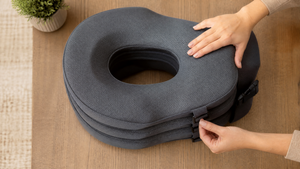
A purpose-built pillow can help. The Tidesmit 3-Level Adjustable Post-Surgery Face Down Pillow is one option designed around this exact position, with three adjustable height levels and a face opening. This guide walks through how to set it up and use it while staying as comfortable as the circumstances allow.
Before You Begin: Setting Up for Face-Down Recovery
Face-down positioning matters most when a gas bubble is used during vitrectomy or retinal surgery. The bubble presses against the retina to support a hole or detachment site while healing begins. For that to work, you often need to keep the bubble in the right place — and that usually means facing downward, not rolling onto your back or side. Not everyone with eye surgery needs this position, so your surgeon's instructions should drive the setup.
Before your first face-down session, gather a few basics. You'll want a firm, flat surface to lie on, a way to pass time without lifting your head, and a specialized pillow. Recovery equipment discussions from mcfeetech.com highlight comfort and support as central concerns during prolonged face-down positioning. The Tidesmit pillow's three height levels are meant to help you find a supported, stable angle — though it's a tool for comfort, not a substitute for your doctor's directions.
Set the space up so you don't have to twist or reach. Phone charger, water, eye drops, tissues, and a tablet or audio player should sit within reach. If you're using a seated support or a bed table, test it before you are locked into position. Small adjustments now are harder to make later when you're already prone.
Step-by-Step Guide to Using the Tidesmit Pillow
Start by unpacking the pillow and checking that all parts are present and undamaged. If a seam or support looks off, don't use it until you've inspected it. A secure face opening matters throughout the day.
Adjust the pillow to one of the three height levels. Your comfort and your doctor's recommendation both play a role here. Try the middle setting first, then lower or raise it depending on how your neck and forehead feel. The right height should keep your face centered in the opening without forcing your neck up or down. scoutermedical.com describes face-down recovery as taxing, so getting the angle close to right early can reduce avoidable strain.
Place the pillow on a firm, flat surface — a mattress can work, but a table gives a steadier base for seated use. Center the face opening where your face will rest when you're prone. Take a slow approach. Lower yourself onto the pillow, guiding your face into the opening rather than dropping your head. Then check for pressure on your chest and hips. Extra pillows under your hips or a rolled towel under your ankles can help keep your spine from arching.
Arms usually relax best at your sides or bent near your head, whichever does not pull your shoulders upward. Your legs can stay straight or bent slightly. The goal is a position you can hold without clenching — because you'll be there for a while.
Common Mistakes to Avoid When Using a Face-Down Pillow
Even a well-designed pillow can work against you if the setup is off. These are the mistakes that most often turn face-down recovery into neck and back pain, plus simple adjustments that can help.
Not Adjusting the Pillow Height
The three levels exist because one height doesn't fit every body or every surgical instruction. The factory setting is just a starting point. A pillow that's too high can push your neck into extension, while one that's too low can collapse your airway or press your forehead into the opening edge.
Test each level briefly, even for a minute. Notice where the pressure lands. If your neck feels pinched or breathing feels restricted, move to the next height before you commit to a full session. The wrong height is often the difference between a long afternoon and a manageable one.
Ignoring Body Alignment
The pillow supports your head, but your spine needs attention too. Hips that sink or shoulders that twist can turn a neutral neck position into lower back pain within an hour. Lying face down for days tends to magnify any misalignment.
Check that your spine stays roughly straight from hips to head. A small pillow under your hips or a rolled towel under your ankles can reduce the arch in your lower back. Think of the pillow as one part of a longer line — your body should follow it without kinking.
Using the Pillow on a Soft Surface
A soft mattress or couch cushion lets the pillow sink, and that changes the angle you worked to set. The face opening can drop, tilt, or press unevenly. A sinking surface may also increase pressure on your face as the surrounding material rises around it.
A firm surface keeps everything stable. If your bed is very soft, a bed board or a move to the floor with a mat can help. The pillow can only do its job when it isn't fighting the surface underneath it.
Troubleshooting Discomfort During Face-Down Recovery
Neck strain, back pain, and a tight airway are the usual complaints. Start with the pillow height — a small adjustment often shifts pressure off one spot. Then check your body line. If your lower back aches, add support under your hips. If your chest feels compressed, try moving your arms slightly or shifting your weight.
Watching a screen usually means lifting or twisting your head, which undoes the neutral position. A face-down viewing mirror can help; the mirror lets you see what's ahead while your face stays in the opening. Short breaks, if your doctor allows them, are equally useful for relieving pressure and moving your legs.
If neck pain or breathing trouble persists, don't keep pushing through. Contact your doctor. Comfort tips can reduce strain, but they won't fix a position that your specific recovery doesn't tolerate.
Tips for Staying Comfortable Throughout the Day
Long stretches of stillness are hard. Audio content — audiobooks, podcasts, music — passes time without any need to move your neck. A face-down mirror opens up TV or a tablet, which can make the hours feel less remote.
Ask your doctor whether gentle movement is okay. Short walks and light stretching may help circulation when approved, though some recovery plans require strict positioning. On the hygiene side, keep the pillow surface clean and give your face a break from any buildup of oil or moisture. A fresh pillowcase or cover makes a noticeable difference by the second day.
Recovery is frustrating enough without fighting your own setup. Small, repeatable adjustments — height, support, surface — are usually the ones that matter most over a long week of facing down.
