
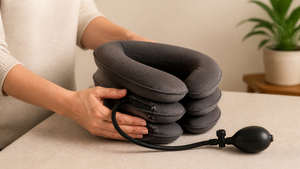

Neck stiffness can turn a productive day into a series of uncomfortable adjustments. A cervical traction device like the Tidesmit 3-Level Inflatable Neck Stretcher may offer relief by gently stretching the neck muscles and supporting the cervical spine. But getting the most out of it — and avoiding unnecessary strain — means using it correctly. The following guidance draws on source-reported best practices and safety recommendations to help you integrate the stretcher into your routine with confidence.
If you’re new to cervical traction, the device’s three inflation levels give you a way to start gently and build up over time. Even so, the body’s response to traction can vary. What feels relieving for one person may be irritating for another, especially if underlying issues are present. Taking a few minutes to set up properly and understand the signals your neck sends can make all the difference.
Before You Start: Safety and Setup
Before you inflate the device, create a setting that encourages muscle relaxation. A quiet room at around 68-72°F (20-22°C) helps keep you from tensing up against the cold or heat. Make sure the neck stretcher is fully assembled and the inflation valve operates smoothly — a quick test pump outside the neck can confirm the bladder holds air.
It’s widely recommended that you talk with a healthcare professional before using cervical traction, especially if you have a history of neck injuries, disc issues, or nerve-related symptoms. The OrthoJointRelief guide emphasizes that while traction can support spinal alignment and pain management, it’s not appropriate for everyone. A brief check-in with a clinician can help you rule out conditions that traction might worsen.
Familiarity with the three inflation levels is useful. The lowest level is often enough to feel a mild stretch, and starting there is the safest approach. Patience now pays off later — rushing into higher pressure can surprise your muscles and trigger a protective spasm rather than relief.
Step-by-Step: How to Use the Tidesmit 3-Level Inflatable Neck Stretcher
First, loosen the device completely and drape it around your neck. The occipital supports — the curved parts that cradle the base of your skull — should sit just beneath the ridge of bone at the back of your head. If they ride too high or too low, the stretch won’t feel balanced, and you may end up straining the wrong muscles.
Begin inflating to the first level. Do this slowly, paying attention to your breathing. The OrthoJointRelief guidance suggests a 10- to 15-minute session, during which you should keep your neck as relaxed as possible. If you feel any sharp pain, especially radiating into the shoulders or arms, release the air immediately. The sensation you’re looking for is a gentle, even pull — not a forceful tug. That’s a key distinction.
Over multiple sessions, you can gradually work up to higher inflation levels. Add about 2-3 minutes to your weekly total as tolerated, rather than jumping from level one to level three in a single week. The goal is to adapt, not to conquer. After the session, perform 5-10 slow neck rotations in each direction, then finish with a brief isometric hold: press your palm gently against your forehead and resist for about 5 seconds. This re-engages the muscles without jolting them.
One session per day is typical for beginners, and even experienced users seldom exceed two sessions daily, separated by at least 8 hours. The break gives tissues time to settle and you a chance to notice any delayed soreness.
Common Mistakes to Avoid
Over-inflating too quickly is a common misstep. The neck muscles can react to sudden pressure by tightening, which may leave you stiffer than before. Inadequate inflation, on the other hand, might not provide the stretch you’re after. Finding the level that gives a mild, sustained pull is a process of trial and attention.
Another frequent mistake is ignoring the clock. The source recommends sessions of 10-15 minutes. Exceeding that, or using the device three or more times a day, can overwork the cervical spine and surrounding tissues. If you’re tempted to extend the session, ask yourself whether you’re chasing a sensation that requires a different approach, not a longer one.
Posture during use matters more than it might seem. Slouching or letting your head tilt forward can shift the traction force away from the intended area and onto joints that don’t appreciate it. The best position is often lying flat on your back with a small pillow under your knees to keep the spine neutral. And if you feel pain that isn’t just a dull stretch — anything sharp or radiating — stop. That’s a signal, not a challenge to push through.
Troubleshooting: When Something Doesn’t Feel Right
If you notice increased stiffness or soreness after use, drop back to a lower inflation level and shorten the session. It’s a good idea to wait at least 8 hours before trying again. The body sometimes needs a day or two to adjust, and pushing through discomfort rarely helps.
A device that loses air quickly may have a valve issue or a small leak. Check the bladder and valve according to the manufacturer’s instructions; sometimes a gentle cleaning of the valve seat resolves the problem. If the bladder is compromised, you’ll need to replace the device — using a leaking stretcher can lead to uneven traction and awkward positioning.
Persistent pain that lasts more than 6-8 weeks, even with proper use, is a sign to step back and consult a healthcare professional. That timeframe isn’t a rule of thumb for everyone, but the source notes it as a point where many people should reassess. Tingling or numbness in the arms or hands is another red flag, as it may indicate nerve compression. Stop using the device and seek medical advice. These symptoms are not typical and shouldn’t be treated as part of a normal adjustment period.
Making the Most of Your Neck Stretcher Routine
The stretcher works best as one piece of a broader neck-care routine. Xtremeek’s guide mentions pairing traction with a heating pad or gentle massage to relax muscles beforehand, which may make the stretch feel more comfortable. A few minutes of heat can help reduce the initial resistance some people feel.
When you’re not using the device, take breaks from prolonged sitting, and try simple posture exercises that open the chest and align the head over the shoulders. Movement variety helps prevent the stiffness that brings you back to the stretcher too often.
Store the device in a clean, dry place out of direct sunlight to keep the material from degrading. Wipe it down regularly according to the manufacturer’s instructions — sweat and skin oils can accumulate and lead to irritation. A little maintenance goes a long way toward keeping the experience pleasant and hygienic.
