

Embracing the Era of Intelligent Residential Energy Management
The evolution from traditional households to intelligent ecosystems represents a fundamental shift in how residents consume power. Rather than operating isolated gadgets, modern interconnected homes leverage Smart Home Energy Management Systems to coordinate energy usage across heating, cooling, and lighting.
Connectivity redefines everyday energy consumption by enabling dynamic communication between appliances and the grid. When devices share operational data, homeowners can automate high-energy tasks to occur during off-peak hours, directly reducing utility costs. These advancements allow for proactive adjustments based on occupancy and real-time weather patterns, moving beyond static, manual settings.
Adoption is increasingly supported by the U.S. Environmental Protection Agency, which maintains rigorous efficiency specifications for residential technology. By choosing ENERGY STAR certified products, consumers ensure their devices meet verified performance standards rather than relying on unproven claims. This framework, highlighted by the ENERGY STAR Home Upgrade initiative, bridges the gap between complex technological potential and accessible, reliable home energy savings.
Harnessing HEMS for Total Home Energy Optimization
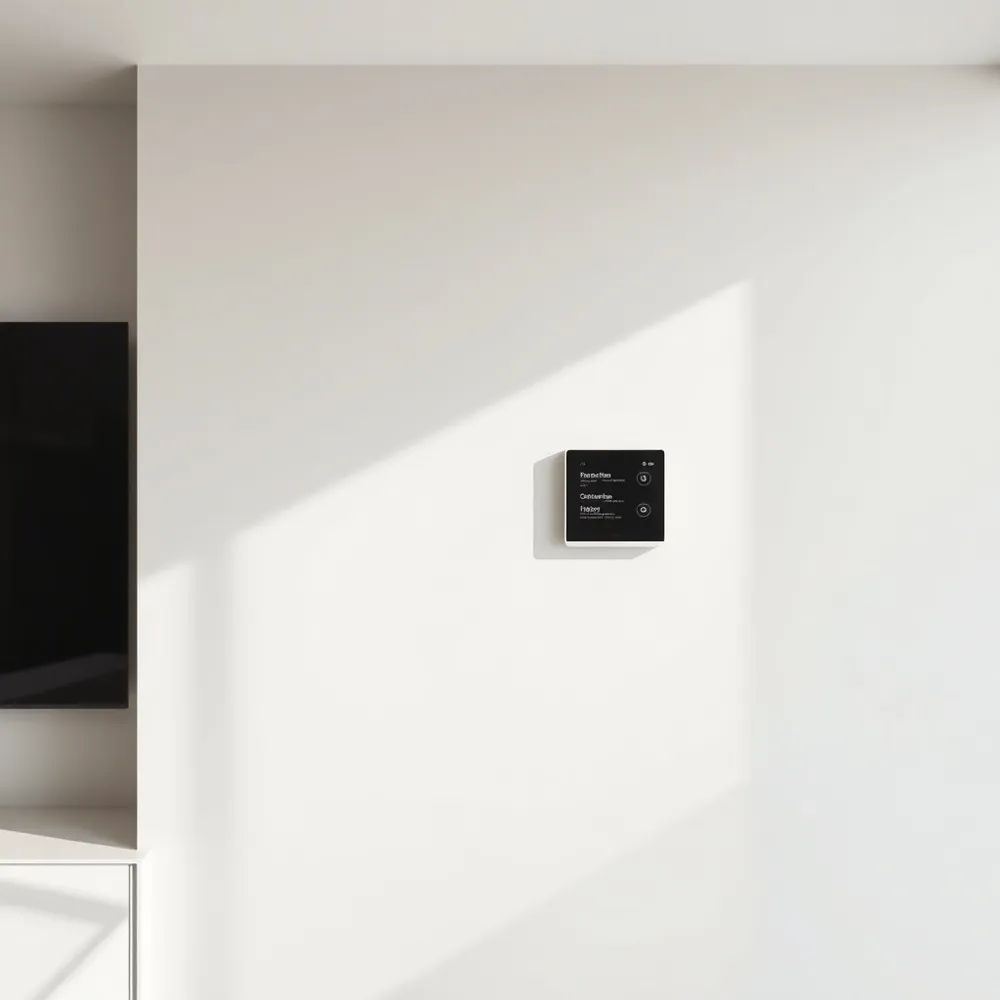
A home energy management system (HEMS) is an intelligent platform that monitors, controls, and optimizes the generation, storage, and consumption of electricity within a residence. It functions by using a central smart hub or gateway to connect various distributed energy resources, such as solar PV systems, battery storage, electric vehicle chargers, and heat pumps. The system collects real-time data on energy use and generation, applying sophisticated software algorithms to make automated decisions about when to power specific devices. For instance, it can intelligently defer a heat pump or EV charging to off-peak hours or prioritize the use of self-generated solar power to increase energy independence. Homeowners typically gain visibility and control over these automated energy flows through a smartphone app or software dashboard.
The Role of Certified Smart Home Energy Management Systems
To ensure reliable interoperability, the ENERGY STAR Smart Home Energy Management Systems (SHEMS) program establishes a framework for systems that simplify and manage residential energy loads. Achieving this certification requires a hardware foundation that connects disparate appliances into a unified network. By centralizing management, these systems help occupants achieve a cleaner energy future through improved efficiency.
- A baseline SHEMS package must include an ENERGY STAR certified smart thermostat.
- Smart lighting controls automate brightness based on occupancy.
- Plug loads are monitored and controlled to identify and mitigate phantom power usage.
Beyond baseline hardware, modern systems allow for seamless integration of distributed energy resources such as solar panels and electric vehicle chargers. By dynamic operation with the grid, these systems improve affordability while supporting decarbonization goals. Homeowners can further expand their capabilities by adding appliances with connected functionality, which allows the system to adjust performance based on utility demand response programs or real-time cost signals.
Foundational Devices for Targeted Household Energy Savings
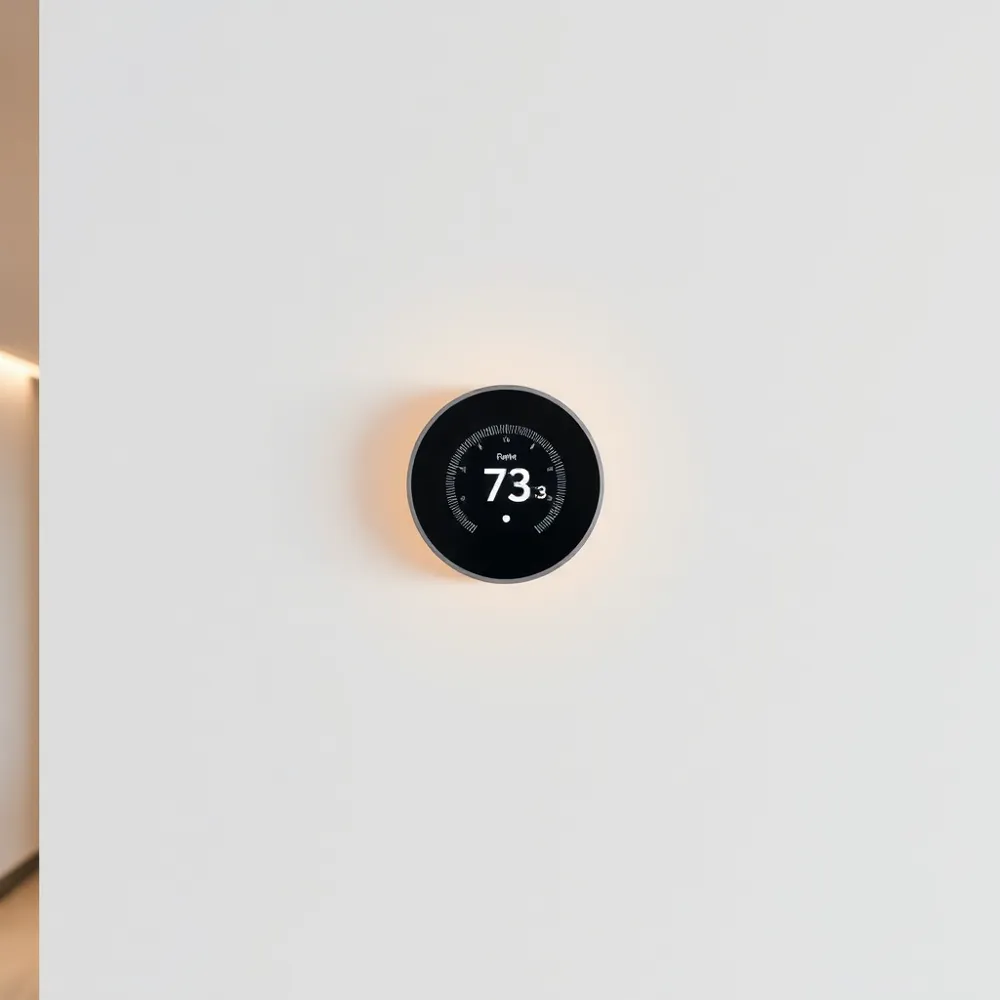
Heating and cooling account for the largest proportion of total household energy consumption, making smart thermostats the most effective device for prioritizing energy savings. These devices reduce waste by learning occupant preferences, allowing for remote temperature adjustments, and using geofencing to normalize climate settings when a home is unoccupied. Research indicates that smart thermostats can help residents reduce heating and cooling energy usage by 15 to 20 percent through automated temperature adjustments.
Beyond climate control, households often lose significant power to standby loads. Smart plugs and smart outlets serve as a cost-effective entry point for energy management, enabling the control of small appliances or electronics that would otherwise consume energy while idle. These devices eliminate vampire power, which accounts for approximately 13.7% of a standard home's annual energy costs. By replacing traditional mechanical timers with connected outlets, homeowners can ensure devices remain aligned with their schedules even during power outages per Minnesota Center for Energy and Environmental Education data.
What are the best smart home devices for improving energy savings?
A comprehensive strategy for energy efficiency extends to water conservation and lighting. Smart leak detectors mitigate waste by identifying plumbing issues in real time, while smart irrigation controllers prevent overwatering by adjusting cycles based on local rainfall data. Similarly, smart lighting solutions allow for scheduling and voice activation, helping users avoid unnecessary consumption. When integrated into a qualified Smart Home Energy Management System, these foundational tools provide a unified platform for tracking usage and reducing overall utility expenses.
Comparing Smart Appliance Efficiency Against Traditional Standards
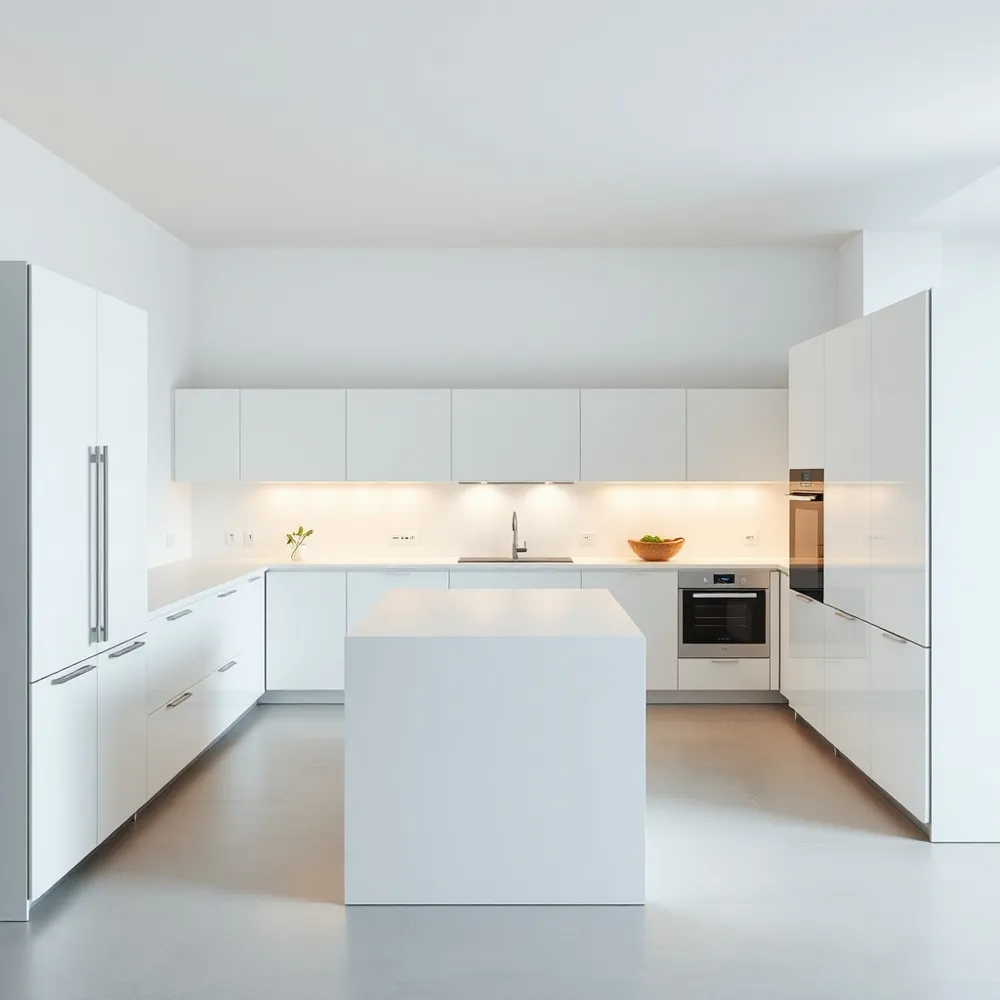
Modern household technology leverages advanced engineering to surpass the baseline performance of legacy equipment. While traditional machines operate on fixed, often inefficient cycles, contemporary ENERGY STAR certified appliances integrate sophisticated hardware like inverter motors and adaptive sensors. These components allow devices to adjust power output in real-time, matching energy usage precisely to the specific demands of a load.
Are smart appliances truly more energy-efficient than traditional models? Yes, they are designed to optimize resource consumption through automation. Beyond running during off-peak hours, these devices integrate into broader systems that track and curb usage patterns. By utilizing features like remote control, automated scheduling, and occupancy sensors, homeowners eliminate unnecessary waste. This precision ensures power is used only when needed. Transitioning to connected functionality allows for a measurable reduction in utility bills and carbon footprints.
The energy reduction potential of these connected systems is substantial. Replacing appliances older than 10 years with modern high-efficiency versions can reduce household consumption by up to 30 percent. While the initial investment for smart technology may be higher, these costs are typically offset by lower electricity bills within a 5 to 7 year period, securing long-term financial and environmental benefits.
| Feature | Traditional Model | Smart Appliance |
|---|---|---|
| Operation | Fixed cycles | Adaptive/Automated |
| Usage Data | None | Real-time tracking |
| Connectivity | Isolated | Grid-interactive |
Data-Driven Approaches to Reducing Monthly Utility Costs
Effective energy management begins with granular real-time visibility. Homeowners can install dedicated Smart Home Energy Management Systems that track electricity usage directly from the panel or through individual smart plugs. This level of transparency exposes precisely which behaviors or appliances contribute to high monthly costs, allowing residents to pinpoint specific peak usage periods that trigger expensive demand charges.
Once patterns are identified, translating data into action is the primary objective. By automating device schedules, your household can leverage smart grid capabilities that shift non-essential appliance operation to off-peak hours. Proactive maintenance also plays a critical role in sustaining efficiency. Keeping device firmware updated ensures your hardware benefits from the latest energy-saving patches and bug fixes that manufacturers distribute to address performance issues. Regular maintenance, such as checking for faulty seals or clearing filters in connected appliances, further prevents resource waste.
What are the most effective ways to monitor and reduce energy consumption in a modern smart home?
Monitoring energy consumption is most effective when using integrated systems that provide real-time data insights into your electrical load. By analyzing these visual reports, you can identify high-consumption appliances and pinpoint peak times that drive up utility costs. You can then significantly reduce these expenses by using automation to ensure devices only operate when necessary or during off-peak utility rates, which can reduce total bills by 5% to 22% per year. Integrating these devices into a cohesive Smart Home Energy Management System enables an intelligent, interconnected ecosystem that actively manages power usage, such as optimizing electric vehicle charging, while maintaining comfort without constant manual oversight.
The Horizon of Smart Home Innovation and AI Integration
Artificial intelligence is evolving beyond simple scheduling to transform residential environments into proactive ecosystems. By leveraging machine learning, future smart appliances will transition from responsive tools to predictive partners, capable of identifying potential mechanical failures before they impact household operations. This shift toward predictive maintenance ensures long-term reliability and guards against unexpected system downtime.
What does the future hold for smart home appliance technology?
Advanced AI integration will enable personalized environments that learn resident habits to curate comfort and efficiency. Kitchens are becoming fully automated hubs where refrigerators monitor inventory to suggest recipes, while washing machines analyze fabric types to propose tailored care cycles. These intelligent systems aim to optimize energy usage dynamically, aligning household activity with grid demand to maximize environmental and financial benefits.
Despite this potential, widespread adoption faces hurdles, including the high cost of entry and persistent ecosystem fragmentation. Manufacturers are working to standardize connectivity protocols, ensuring that devices can communicate seamlessly regardless of the brand. As integration becomes more accessible, these technologies will move from premium installations to foundational components of the modern, sustainable home.
Building a Sustainable Future through Smart Investment
The transition to a smart residence offers tangible rewards, as homeowners can reduce their total energy consumption by 30 to 40% when systems are properly configured. Beyond immediate financial relief, this energy-efficient approach fosters a smaller environmental footprint. Adopting smart home technology is a strategic step toward sustainability, as high-efficiency models typically offset their initial purchase price through lower utility costs within five to seven years.
Achieving these outcomes requires more than just installing hardware. Consistent user engagement is vital; homeowners must monitor energy reports, act on alerts, and maintain updated firmware to ensure peak performance. While technologies like Smart Home Energy Management Systems automate many tasks, they rely on the resident to verify that settings align with current lifestyle needs.
Embracing an energy-aware lifestyle through connected appliances turns daily routines into opportunities for conservation. By making informed investments today, residents can enjoy enhanced comfort while actively contributing to long-term grid reliability and carbon reduction goals.
