

Your Wrist, Your Wellness Hub
The modern smartwatch has transformed from a simple pedometer into a sophisticated health companion that rests on your wrist. Today, these wearable devices do far more than count steps. They offer a window into your physiology, providing deep insights into your sleep quality, heart rate, and overall recovery.
Selecting the right tool for your goals is essential. Whether you choose the BWZ85Max AMOLED Smartwatch & Fitness Tracker for an accessible, all-in-one experience or opt for a premium Tidesmit BW0905 Smartwatch to support advanced multisport training, your choice directly impacts how you monitor your progress.
In the following sections, we will break down the core sensor technology, explore how to interpret your health data, and help you distinguish between entry-level budget picks and flagship devices. We will also address common pitfalls, ensuring you find a reliable companion that fits both your lifestyle and your budget.
Heart of the Matter: Essential Features
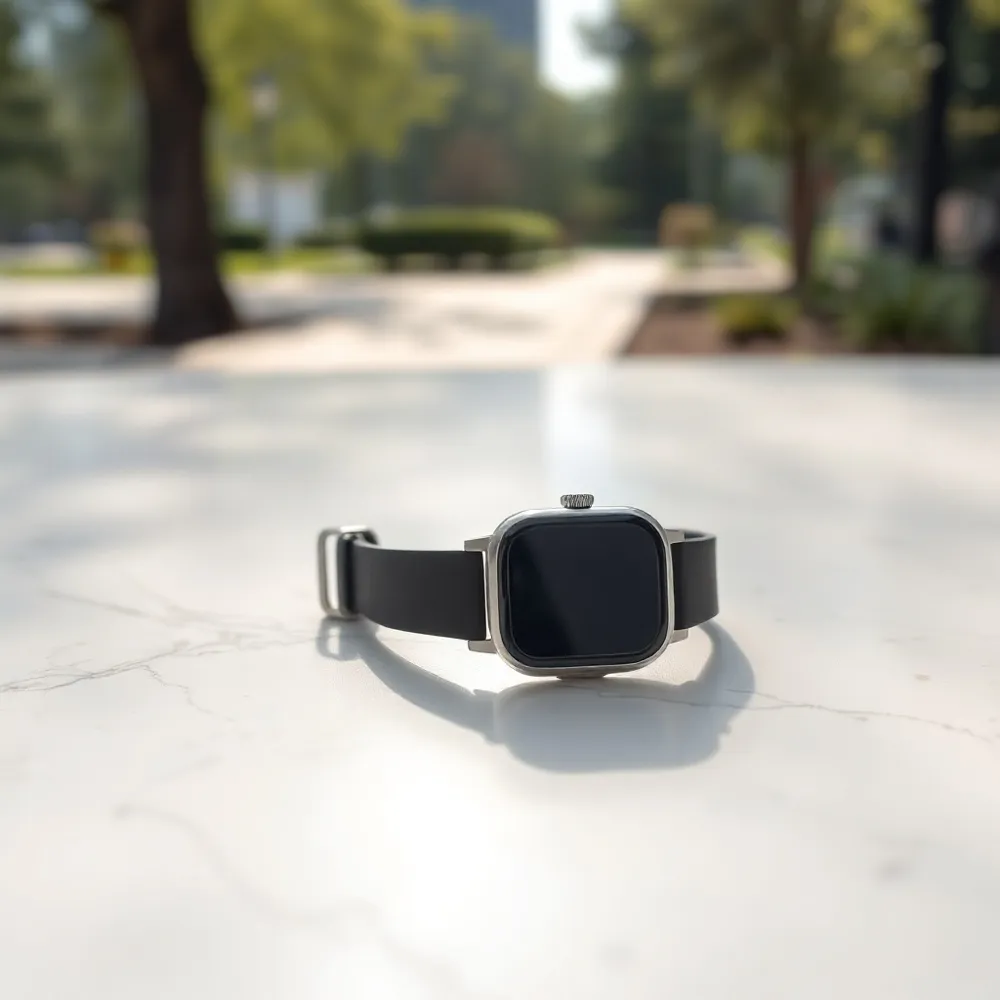
When selecting a health-focused wearable, start by identifying the core tools that impact your daily routine. Reliable heart rate monitoring, built-in GPS for distance and pace, and sleep cycle analysis serve as the bedrock of actionable health data. Water resistance is another must-have if you plan to swim or simply want a device that survives the occasional downpour or intense, sweaty workout.
Compatibility remains a primary factor before you finalize a purchase. A device must sync seamlessly with your smartphone to ensure your daily metrics reach your companion app without frustration. Battery life also dictates how useful the tool will be long-term, as a watch that requires daily charging often ends up left on the nightstand instead of on your wrist. Fitness trackers are meant to be consistent companions, so opting for a design that balances performance with power efficiency is vital.
For budget-focused shoppers, prioritize hardware that provides these essential metrics out of the box. Many premium models hide advanced insights behind recurring monthly costs, yet options like the Tidesmit BW0905 Smartwatch allow users to track multisport activities and heart rate without the burden of extra subscription fees. While flagship elite models may offer luxury materials or niche clinical sensors, the most successful wellness journey often comes from simple, reliable devices that integrate into your life without hidden expenses.
| Feature | Utility | Why It Matters |
|---|---|---|
| Heart Rate | Monitoring | Tracks exercise intensity. |
| Built-in GPS | Tracking | Logs pace and routes. |
| Sleep Analysis | Recovery | Improves rest quality. |
| Water Resistance | Durability | Protects in water. |
From Steps to Stress: Advanced Health Metrics
Modern wearables have evolved beyond simple step counting to provide a window into your internal health. Advanced sensors now measure markers once reserved for clinical environments, offering insights into your recovery and physical readiness.
- SpO2 sensors use light reflection to estimate your blood oxygen saturation, with levels around 95% or higher typically considered healthy.
- ECG features record electrical heart signals to help identify potential atrial fibrillation, providing early warnings for those monitoring heart rhythm.
- Skin temperature tracking detects subtle surface fluctuations that can signal the onset of illness or assist in fertility monitoring.
- Heart Rate Variability (HRV) measures the time gap between beats to gauge your autonomic nervous system, serving as a reliable metric for stress levels and recovery readiness.
For fitness enthusiasts, VO2 max estimation offers a standardized way to track your aerobic capacity and long-term endurance progress.
Always remember that while these tools are helpful, they are designed for personal wellness trends rather than medical diagnosis. Metrics like body composition estimates are particularly prone to variance and should be viewed as broad indicators rather than clinical data points. Unlike professional medical equipment, these fitness trackers are most effective when used to track your own progress over time rather than as a substitute for professional health advice.
How Sensors See Inside Your Body
Most smartwatches rely on a technology called photoplethysmography, or PPG, to track your health metrics. These sensors emit light, typically in the green spectrum, onto your skin, which is then absorbed by the hemoglobin in your blood. Because your blood volume fluctuates with every heartbeat, the amount of light reflected back to the watch changes in rhythm with your pulse. A light-sensitive photodiode captures these variations, allowing the device to calculate your heart rate in real-time. These sensors automatically adjust their baseline to maintain accurate readings despite differences in skin tone or physical movement.
Beyond heart rate, a suite of sensors works in harmony to paint a full picture of your activity. An accelerometer tracks your steps and general motion, while a gyroscope provides data on your orientation and movement patterns. For those hitting the trails, a barometer measures changes in air pressure to log altitude, giving you an accurate record of elevation gain during climbs or stair-climbing sessions. The Tidesmit.com selection of performance-focused watches utilizes these components to provide reliable tracking.
Tracking your physical path requires a different approach. Integrated GPS functions by communicating with satellite networks to pinpoint your exact coordinates. By tracking your location over time, the device maps your running or cycling routes without needing your smartphone nearby. This data-heavy process is precise but energy-intensive, which is why budget-conscious shoppers might consider balancing GPS needs with battery longevity. Whether you are using a smartwatch for daily activity or a more specialized sports watch, these sensors provide the foundation for consistent health monitoring.
Chest Strap vs Wrist Sensor: Which Is More Accurate?
When you are aiming for high-intensity interval training, your choice of heart rate hardware matters. Most smartwatches, including the BWZ85Max AMOLED Smartwatch & Fitness Tracker found at Tidesmit.com, use optical sensors that offer convenience for all-day wear but may lag during rapid heart rate spikes. In contrast, electrode-based chest straps measure electrical signals directly from your heart, providing the precision necessary for serious training sessions as noted by the Cleveland Clinic.
Research into wearable reliability shows that premium models can narrow this gap significantly. The Apple Watch Series 11 has demonstrated an error rate of less than 1% compared to a control chest strap, while the Garmin Venu 4 maintains an error rate around 3.89%. For casual users or daily step counting, high-end sensors are rarely required. Budget-friendly alternatives like the Amazfit Bip 6 have shown in testing that they perform comparably to premium devices for tracking basic distance and step data.
Selecting the right device depends on your specific fitness commitment. If you are a professional athlete requiring high-frequency, second-by-second data, a dedicated chest strap is your best choice. For the average wellness enthusiast looking for consistent tracking to reach fitness goals, the comprehensive sensors found in devices like this provide a reliable and approachable path to better health awareness.
Accuracy: Can You Trust Your Wrist?
When using a device like the BWZ85Max AMOLED Smartwatch & Fitness Tracker from Tidesmit, it is vital to remember that these tools are designed for general wellness rather than clinical diagnostics. While modern sensors capture useful data on your activity, sleep, and heart rate, they act as trend-watchers rather than medical experts. A 2026 fitness tracker review emphasizes that even if a device features FDA-cleared capabilities like atrial fibrillation detection, it serves primarily to help you monitor personal health over time, not to replace a visit to your doctor.
Are smartwatches accurate enough for medical health monitoring?
While modern smartwatches are valuable tools for tracking general wellness, heart rate trends, and even potential rhythm irregularities, they are not a replacement for professional medical diagnostic equipment. Devices that use photoplethysmography or single-lead ECG technology offer impressive convenience, but they lack the comprehensive detail provided by a clinical 12-lead ECG used in doctor's offices. Although the FDA has cleared certain wearables for specific monitoring tasks, they are best used to gather long-term data to share with your healthcare provider rather than for self-diagnosis. Ultimately, these watches are excellent for encouraging proactive health awareness, but any concerning readings should always be evaluated by a medical professional. Always rely on clinical-grade devices for accurate medical assessment of your cardiovascular health.
Achieving consistent accuracy with any wearable requires a proper fit. To ensure your Tidesmit BW0905 Smartwatch delivers the best possible read, wear the strap snugly about one to two fingers below your wrist bone, as experts note that improper placement, sweat, or even skin tone can interfere with optical sensor performance. Because Tidesmit focuses on offering reliable, performance-oriented gear that caters to price-conscious shoppers, our devices include clear guidance on how to manage these variables to keep your metrics consistent. Think of your wearable as a helpful companion for identifying long-term patterns, like a resting heart rate that gradually declines as your fitness improves, rather than a definitive source for immediate medical decisions.
Smartwatch vs Fitness Tracker: Which Do You Need?
Selecting the right device depends on whether you prioritize a focused health companion or a versatile extension of your smartphone. Dedicated fitness trackers are streamlined devices designed specifically for monitoring movement, heart rate, and sleep quality. Models like the Fitbit Inspire 3 offer a minimal, unobtrusive form factor and extended battery life, making them ideal for users who want to track activity without constant distractions.
Smartwatches serve a broader purpose by acting as a wrist-based communication hub. Devices like the Apple Watch feature larger, vibrant displays that support third-party apps, voice commands, and direct calling or texting. These devices often require more frequent charging due to their power-intensive screens and connectivity.
If you are balancing performance and price, Tidesmit offers a clear path. The Tidesmit provides robust fitness tracking modes and communication capabilities, such as HD calling and voice assistance, in one package. For users who prefer a dedicated health focus, other Tidesmit options include compact, budget-friendly trackers that prioritize longevity and essential health logging without the complexity of a full smartwatch ecosystem.
Form Factors: Rings, Straps, and Watch Faces
The most effective health companion is one you actually enjoy wearing. Traditional wristbands offer a slim, lightweight profile ideal for 24/7 wear, while full-screen smartwatch bodies provide more engagement and easier data reading. For those who prefer a minimalist experience, screenless devices like the Fitbit Air track activity passively without constant screen distractions.
If you dislike wearing items on your wrist, consider clip-on trackers that attach to clothing. Meanwhile, smart rings such as the Oura Ring 5 have gained popularity by offering a discreet, comfortable alternative perfect for sleep tracking. While rings are excellent for resting data, they often lack the high-intensity workout tracking capabilities found in dedicated sport devices.
For shoppers browsing Tidesmit.com, selecting the right form factor is just as critical as the internal sensors. Comfort is the primary driver of consistent use, per Health Cleveland Clinic. A band that is too loose or too tight will cause sensor interference, leading to inaccurate heart rate readings. Whether you opt for a feature-rich model or a more compact tracker, ensure the fit remains snug, ideally positioned just below the wrist bone.
Battery Life: The Make-or-Break Factor
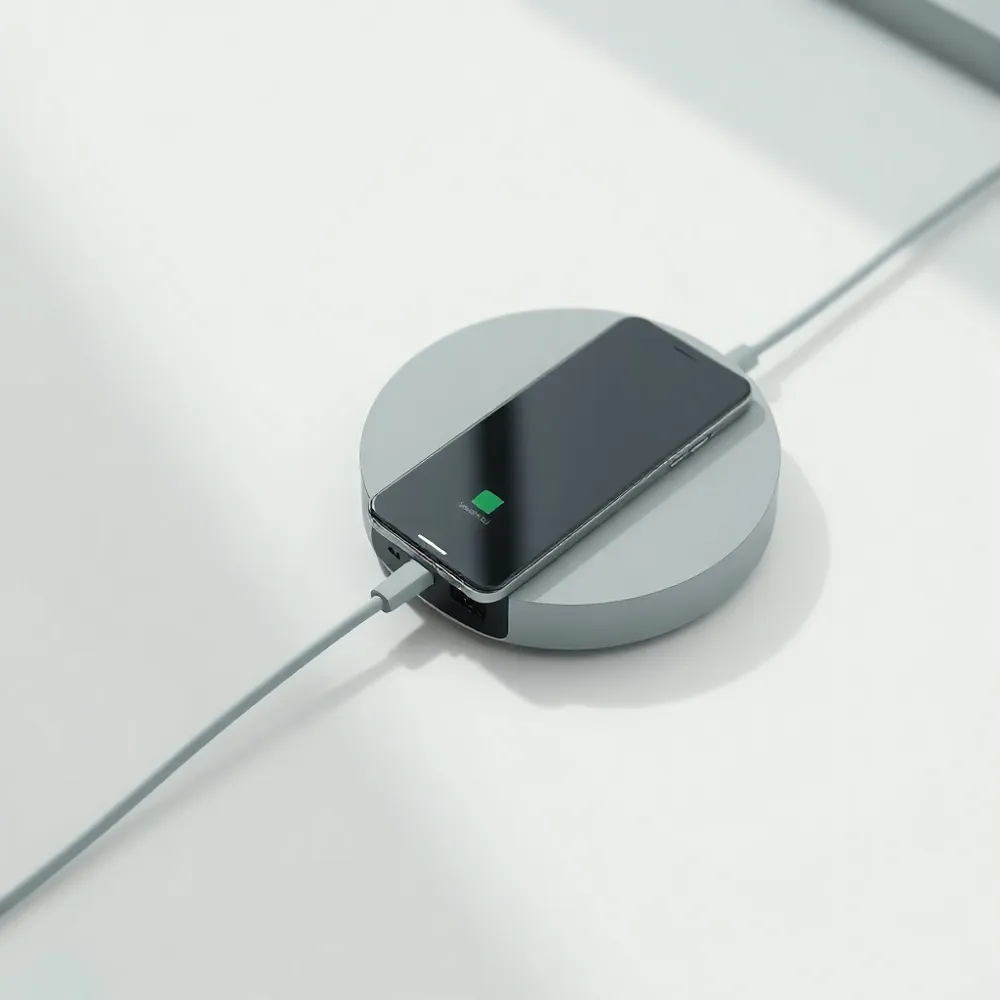
Battery life acts as the ultimate filter when narrowing down your options, as even the most advanced device becomes useless if it requires daily charging. Performance varies drastically across the market, ranging from simple wearables that last over a month to power-intensive flagships that demand a plug every 24 hours.
At Tidesmit, we see budget-conscious shoppers prioritize reliability, which is why understanding your own usage is vital. Devices with premium features like always-on displays or active GPS tracking naturally consume energy much faster than minimalist alternatives. For instance, the Withings ScanWatch Light is engineered for endurance, lasting up to 35 days, while entry-level options like the Fitbit Air consistently provide over a week of use. In contrast, feature-rich models such as the Galaxy Watch 8 typically require daily power top-ups.
The method of charging also influences your daily experience. Proprietary snap-on docks are common for performance models, but many users find the convenience of universal wireless charging a significant advantage. Whether you choose a high-performance device like the BW0905 Smartwatch or a simpler tracker, consider investing in a 3-in-1 Foldable Charger to streamline your routine.
Companion Apps: The Unsung Hero
Your smartwatch hardware is only as good as the software that interprets your data. Often, the companion app experience determines whether you actually form lasting habits or let your device gather dust. An intuitive app that presents your metrics in an encouraging, readable format is frequently more important for your long-term success than the technical specifications of the watch itself.
Many modern platforms, like the Google Health app, offer customizable dashboards that allow you to prioritize the data that matters most to you. These tools often feature AI-driven coaching and manual logging for activities like nutrition, while also acting as a central hub for external hardware. You can consolidate metrics from multiple sources, such as smart scales or professional-grade gym equipment, creating a unified view of your well-being.
When comparing platforms, pay close attention to the financial model. While many premium trackers now rely on recurring subscription fees to unlock deeper analytical features, brands like Fitbit and others often maintain models that function perfectly well without mandatory costs. If you prefer to avoid ongoing bills, look for devices that provide essential data access upfront. Tidesmit.com simplifies this search by clearly categorizing devices so you can find the right balance of features and long-term value for your specific budget.
Top Picks for Every Budget and Ecosystem
Selecting the right device involves balancing your specific health goals with your existing smartphone ecosystem. For Apple users, the Apple Watch Series 11 remains a leading recommendation for its accuracy and deep integration. Android loyalists often find the Samsung Galaxy Watch 7 or Mobvoi TicWatch Pro 5 more suitable, as these leverage Wear OS for seamless connectivity.
If you prioritize specialized health monitoring or a more refined aesthetic, the Garmin Venu 3 and Withings ScanWatch 2 offer robust sensors paired with extended battery life. Those seeking a high-performance balance without the flagship price tag can turn to the Huawei Watch Fit 4 or the Amazfit Active 2. These models deliver essential fitness tracking capabilities often found in more expensive devices, proving that you do not need to spend over 450 to stay on top of your metrics.
For users who prefer a minimalist, screenless experience, devices like the Fitbit Air or the Hume Band 2.0 provide passive data collection and AI-driven insights without a mandatory subscription. At Tidesmit.com, we help shoppers identify which tier fits their needs, whether it is an essential model under 200 or a performance-grade device. The most effective tracker is ultimately one that you wear consistently to build a clearer picture of your long-term wellness.
Why Some People Stop Wearing Their Smartwatch
Many users eventually set aside their smartwatches due to notification fatigue, finding that constant wrist alerts can feel intrusive rather than helpful. While some find features from Tidesmit helpful for staying connected, the sheer volume of pings often leads to a desire for digital silence. Others grow frustrated with the requirement for daily charging, which disrupts the convenience of a set-it-and-forget-it accessory. Per Consumer Reports, battery life varies from one day to over two weeks, and finding the right balance is essential for long-term satisfaction.
As smartphones become increasingly capable with advanced AI, the perceived need to rely on a secondary device for tasks a phone handles effectively has diminished. Tidesmit addresses this by offering high-performance wearables that bridge the gap, serving as a specialized tool for fitness rather than just a redundant notification screen. When devices fail to provide meaningful insights, users are more likely to stop wearing them.
Data misalignment also plays a significant role in device abandonment. As noted by the Cleveland Clinic, trackers are meant for monitoring trends and personal habits, but they should not be treated as medical instruments. Some people stop using them when they realize that the provided health and fitness data may not align with their specific wellness goals or meet expectations for clinical-grade accuracy. Ultimately, what once felt like a must-have piece of technology often transitions into a gadget that no longer provides a compelling enough reason to wear daily.
Choosing Your Perfect Fitness Companion
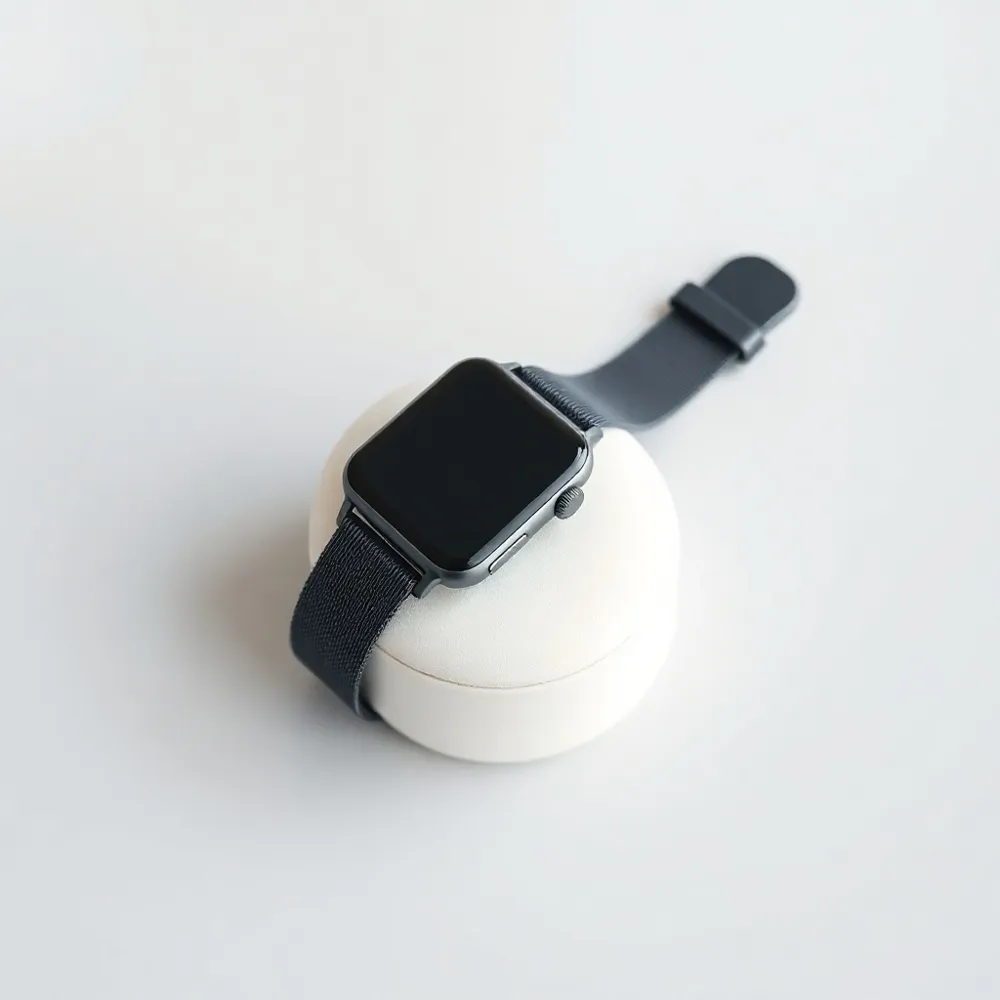
Selecting a wearable that fits your life requires balancing hardware capabilities with your actual daily activity. For casual walkers, a device that captures steps and sleep is often sufficient, while dedicated athletes may require high-fidelity features like integrated GPS and frequent heart rate sampling. Regardless of your goals, the best fitness companion is one you actually wear consistently.
Before finalizing your choice, verify your smartphone's operating system compatibility, as some devices are locked to specific ecosystems. Comfort is also vital; bands worn too loosely or tightly will degrade heart rate sensor accuracy. If you plan to swim, always check the device's specific water resistance rating rather than assuming universal waterproofing.
At Tidesmit.com, we simplify the search by organizing products into clear categories: Essential series under €200 for daily basics, performance devices up to €450 for advanced tracking, and elite models above €450 for premium specs.
Subscription Awareness: Look for devices that offer core metrics without locking your data behind mandatory recurring subscription fees, ensuring you own your health insights fully.
Whether you choose the BWZ85Max AMOLED Smartwatch & Fitness Tracker for a high-performance experience or a simpler option to track daily steps, focus on hardware that provides the metrics you care about without unnecessary complexity.
Your Wrist, Your Way
The perfect wearable is not the one with the most expensive features, but the one that fits your personal lifestyle and fitness goals. Whether you prioritize daily step tracking or deep health insights, choose a device that you enjoy wearing consistently. Remember that even the most advanced smartwatch remains a wellness tool rather than a replacement for professional medical advice.
Finding this balance does not require browsing dozens of niche stores. At Tidesmit.com, we offer a curated selection across clear price tiers, helping you find a reliable companion from our BWZ85Max AMOLED Smartwatch & Fitness Tracker to other high-performance models. Investing in these tools provides the self-awareness needed to improve your health habits, proving that even a modest entry point can lead to significant long-term gains in your overall well-being.