
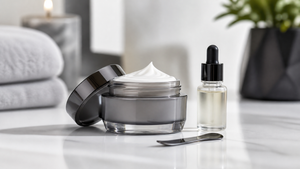

Under-eye bags can be stubborn. They show up after a short night, linger after a salty meal, and sometimes just seem to be part of your face. While no cream can restructure the fat pads or bone structure beneath the skin, the right formula can temporarily tighten, hydrate, and smooth the area — making you look more awake without a full makeup routine. The editors at Cosmopolitan recently put a range of eye creams to the test, and their insights, paired with dermatologist input, offer a practical starting point for choosing what to swipe on.
This isn't about a permanent fix. It's about finding a product that works with your skin, your routine, and the kind of puffiness you face. From lightweight gels to balms you can stash in your bag, the options below are organized by what they might do best, based on source-reported ingredient lists and real-world application notes.
What Causes Under-Eye Bags?
Puffiness under the eyes often comes down to fluid buildup. Allergies, salty foods, a late night, or even sleeping flat can cause fluid to pool in the thin tissue below the lash line. As Cosmopolitan notes, genetics and aging also play a role — skin loses collagen over time, and the fat pads that cushion the eye can shift, creating a shadow or bulge. Rubbing tired eyes can make the area look puffier too, by increasing blood flow to the surface.
This is where ingredients like caffeine and peptides come in. Caffeine, a vasoconstrictor, may temporarily tighten the skin and reduce the look of puffiness, while peptides can help support hydration and a smoother appearance. No7 explains that some types of dark circles are related to visible blood vessels or pigmentation, but the puffiness itself is often tied to fluid retention. So a cream that feels cooling and sits well under makeup can be a quick morning ally — not a cure, but a visual reset.
What to Look for in an Eye Cream for Puffiness
Ingredients matter, but the way a product feels on your skin is just as important. Caffeine shows up in many of the editor-tested creams because it may offer a temporary tightening effect. Hyaluronic acid and peptides are often included to draw in moisture and support the skin's barrier, while antioxidants like EGCG (from green tea) and ginseng extract can help defend against environmental stress. Social Moms highlights that some formulas also use acetyl hexapeptide-8 (Argireline) to target the look of fine lines.
Texture is a preference thing. A clear gel absorbs quickly and layers well under concealer, making it a good fit for daytime use or oily skin. A richer cream can feel more comforting on dry undereye skin and may be better suited for nighttime. Balm sticks, on the other hand, give you a portable cooling effect that you can reapply without a mirror. The key is to find a consistency that you'll actually use — and that doesn't pill or sting when you tap it on.
The Best Eye Creams for Under-Eye Bags, Tried and Tested
The five creams below were selected because they cover different texture preferences, ingredient approaches, and application needs. Each one has been worn by editors who reported on the feel, absorption, and how the product sat under makeup. No single cream will work for everyone, but these stood out for specific reasons. The table gives a quick overview; the details follow.
| Product | Best For | Source-Reported Key Ingredient(s) | Texture | Caveat |
|---|---|---|---|---|
| Caudalie Resveratrol-Lift Firming Depuffing Eye Gel Cream | Cooling hydration | Resveratrol, vegan peptides | Lightweight gel | — |
| Dr. Brandt No More Baggage Eye-Depuffing Gel | Quick depuffing | — | Transparent gel | Smaller tube (0.5 oz) |
| Tidesmit Eye Bag Remover Cream | Targeting under-eye bags | — | Lightweight cream | — |
| StriVectin Hyperlift Eye Cream | Firming dry skin | MATRIXYL 3000 PLUS™ peptides | Rich cream | 0.34 fl oz |
| Tula Skincare 'Spresso Energizing Eye Balm | On-the-go refreshing | Caffeine, probiotics | Solid balm stick | — |
Caudalie Resveratrol-Lift Firming Depuffing Eye Gel Cream
A lightweight gel cream with vegan peptides and resveratrol may help firm and depuff. Editors reported a cooling sensation upon application — a perk when you're dealing with morning puffiness. The pump dispenses a controlled amount, so you're less likely to overdo it. Pat it around the orbital bone, and it sinks in without leaving a sticky film. The formula is fragrance-free, which is a quiet win for sensitive eyes.
Dr. Brandt No More Baggage Eye-Depuffing Gel
A quick-acting depuffing gel that claims to work in about five minutes. The transparent gel texture is thin, and a little goes a long way. One thing to note: the tube is smaller than some others, so you might run through it faster if you apply it both morning and night. Keep it away from the lash line — editors stressed that a thin layer applied only to the puffy area is enough. It layers under makeup without pilling, which is a practical advantage when you need to look less tired fast.
Tidesmit Eye Bag Remover Cream
A cream formulated to target under-eye bags and puffiness. The intended texture is light and quick-absorbing, so it shouldn't interfere with the rest of your skincare. As with any new product, try a patch test first — especially if your undereye area is sensitive — and use a gentle patting motion rather than rubbing. It's a dedicated option for those who want a single product focused on the bag concern.
StriVectin Hyperlift Eye Cream
A firming eye cream with MATRIXYL 3000 PLUS™ peptides to help smooth and tighten the eye area. The cream texture is richer than a gel, which makes it a good match for dry undereye skin that tends to look crepey by midday. The 0.34 fl oz size is modest, but the product spreads easily. Editors recommended using it morning and night, tapping it along the bone with your ring finger. It's not the lightest option, but it feels comforting — a small ritual that can make a difference when your skin is parched.
Tula Skincare 'Spresso Energizing Eye Balm
A solid balm stick with caffeine and probiotics for an on-the-go cooling effect. The convenience is the real draw here. Swipe it directly under the eye and pat gently — no need to dip a finger into a jar. It's a pick that can live in your bag for a post-lunch refresh or a pre-meeting touch-up. The texture is balmy but not greasy, and the probiotics are a thoughtful addition for skin that's easily irritated by frequent travel or late nights. Just avoid pulling the skin; a light tap is all you need.
How to Apply Eye Cream for Best Results
Start with a pea-sized amount — less than you think. Dot it along the orbital bone, not directly on the lash line, because product can migrate into the eyes and cause irritation. Use your ring finger to pat it in; that finger naturally applies the least pressure. In a full routine, dermatologists suggest applying eye cream after serum but before moisturizer, so it can absorb without being diluted. Morning and evening use is a good rhythm for puffiness-prone skin, but if your cream has strong actives like retinol, you might dial it back to once a day and watch for any stinging.
The technique supports the product's performance, but it won't transform a cream into a fix-all. Consistency matters, though. Even a few seconds of tapping can help the area feel less puffy, and the act of touching the skin gently instead of rubbing it can prevent extra irritation.
Frequently Asked Questions About Eye Creams and Under-Eye Bags
Can eye cream completely remove under-eye bags?
No. Eye creams can temporarily reduce the appearance of puffiness by tightening the skin, but they cannot address fat pads or structural issues. Cosmopolitan notes that for long-term solutions, a dermatologist can discuss options like in-office treatments. The realistic goal is a refreshed look, not a permanent change.
How long does it take to see results from an eye cream?
It varies. Some depuffing gels claim to show a difference within five minutes, while others with peptides or antioxidants may need four to six weeks of consistent use. The source-reported data points range from instant tightening to gradual improvement, and your own results will depend on your skin and the cause of the puffiness. Stick with it, but don't expect overnight magic.
Is it safe to use eye cream every day?
Most eye creams are designed for daily use, but patch testing is a good idea. If your cream contains retinol or other active ingredients, you might need to start every other day to avoid irritation. The skin around the eyes is thin — if it stings or turns red, pull back. Otherwise, a gentle formula applied morning and night is a standard part of many skincare routines.
